Why Choose Professional Carport Installation?
A carport may look simple, but reliable Carport installation requires more than placing posts and attaching a roof. The structure must suit your vehicle, property, drainage pattern, and local weather conditions. A professional installer examines the ground before bringing materials. They check soil firmness, roof pitch, anchoring points, and clearance around doors and walkways.
“Make it right” is the guiding phrase of Mike Holmes, a respected Canadian contractor and building expert. His words fit carport work well. Professional installation focuses on lasting performance, not merely quick assembly. An experienced team can identify weak foundations, uneven surfaces, poor water runoff, and unsuitable materials before they become expensive problems. That practical judgment matters when heavy rain, strong wind, or winter snow tests the structure.
Details make the difference. A correctly positioned post leaves enough room for mirrors and opening doors. Proper flashing helps keep rain away from connection points. Secure anchors reduce movement when gusts strike the roof. These are small features, but they protect your vehicle and your investment.
Still, professional work is not magic. Even careful installers can misunderstand a homeowner’s preferences or overlook a difficult site condition. Clear communication remains essential. Ask about materials, drainage, warranties, maintenance, and installation timelines. A dependable contractor explains limitations honestly and documents the completed work.
The cheapest option may appear attractive. It may not remain attractive after repairs. Choosing professional Carport installation provides skilled labor, tested methods, and greater confidence in the finished structure. More importantly, it turns a basic shelter into a safer, cleaner, and more durable part of your property.
What Professional Carport Installation Involves
Why Choose Professional Carport Installation?
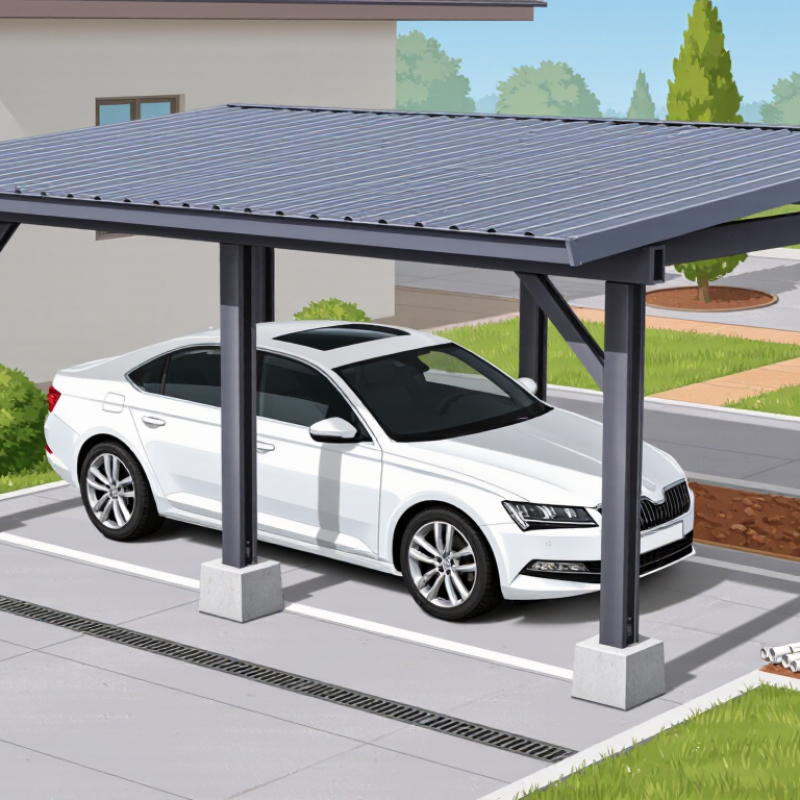
Professional carport installation involves more than assembling posts and attaching a roof. An experienced installer begins with a site assessment. They check ground slope, drainage, access, and nearby utility lines. Accurate measurements help prevent uneven spacing and weak support points. The team then recommends suitable materials, anchoring methods, and roof positioning for local weather conditions. These decisions affect stability, water runoff, and daily convenience.
Preparation matters. The installation area may need clearing, leveling, or a properly designed foundation. Installers secure each post, verify alignment, and tighten connections according to the structure’s specifications. They also inspect roof panels, fasteners, and drainage edges before finishing. Professional work should include clear communication about maintenance and local approval requirements. No site is perfectly predictable. A careful installer should explain unexpected issues instead of hiding them. Small oversights can still happen, so a final inspection remains essential.
Tips: Ask for a written scope of work and installation timeline. Confirm how drainage will be handled. Check that the crew uses protective equipment and suitable tools. Keep access clear during installation. Photograph the completed anchors and connection points for future reference. If the structure looks slightly misaligned, raise the concern immediately. It is easier to correct early. A professional service should welcome reasonable questions and provide practical answers. Reliability shows in the details, not only in the finished roof.
How Experts Assess Site Conditions and Carport Requirements
Why Choose Professional Carport Installation?
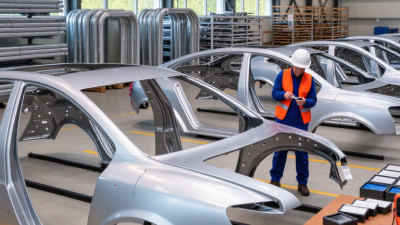
A professional installer begins with the site, not the carport kit. They check ground slope, soil firmness, drainage, and nearby trees. They also measure vehicle clearance, door swing, roof height, and access for delivery equipment. These details affect the structure’s position and daily usability. A level-looking driveway may still hide soft soil or poor water flow. I have seen small measurement errors create awkward parking and expensive adjustments. That is where experienced judgment matters.
Tips: Mark underground services before digging. Photograph the site from several angles. Share vehicle dimensions and storage needs honestly. Ask how the installer will manage runoff, anchoring, and strong winds. A useful assessment should explain risks clearly, not simply promise quick installation. Some recommendations may feel overly cautious. They often prevent larger problems later.
Experts also review local requirements and property boundaries before work begins. They confirm setbacks, surface conditions, and suitable anchoring methods. In coastal or windy areas, corrosion resistance and wind exposure deserve closer attention. In colder regions, frost movement may affect the foundation. The assessment should be recorded with measurements, photographs, and agreed specifications. Even professionals can miss a detail, especially when site access changes after the visit. Careful communication leaves room to correct assumptions before materials arrive.
Why Professional Installation Improves Safety and Structural Stability
Why Choose Professional Carport Installation?
Why Professional Installation Improves Safety and Structural Stability
A carport is more than a roof supported by posts. Its safety depends on accurate measurements, suitable anchors, and a stable base. Professional installers assess soil conditions, drainage, wind exposure, and vehicle clearance before work begins. These details matter when heavy rain softens the ground or strong winds press against the roof.
Experienced crews follow engineered plans and check every connection. They confirm post spacing, level the frame, and tighten fasteners to the specified torque. They also choose anchoring methods that match concrete, asphalt, or compacted soil. A small alignment error can transfer stress to one joint. That weakness may grow quietly over time. Strong work shows in the details.
Not every installation goes perfectly. A hidden drainage problem, an uneven slab, or a rushed measurement can change the result. Reliable professionals document site conditions and explain necessary adjustments before continuing. They inspect the finished structure, including roof pitch, bracing, bolts, and water runoff. Still, an inspection is not magic. Owners should report movement, unusual noise, or rust early. Regular checks remain important, even after skilled installation.
Why Choose Professional Carport Installation? - Why Professional Installation Improves Safety and Structural Stability
| Evaluation Dimension | Why Professional Installation Helps | Safety or Stability Benefit | Practical Verification Point |
|---|---|---|---|
| Site assessment | Installers can evaluate ground conditions, drainage, access, slope, and clearance before construction. | Reduces the risk of uneven settlement, standing water, and installation conflicts. | A written site review identifies soil, slope, drainage, and clearance requirements. |
| Design-load review | Professionals can check the structure against applicable wind, snow, rain, and seismic design requirements. | Helps prevent undersized members, excessive deflection, and connection failure. | Confirm that the planned design follows local building-code requirements for the site. |
| Foundation and anchoring | The installer can select suitable footings, anchors, embedment depths, and spacing for the ground and structure. | Improves resistance to uplift, sliding, overturning, and lateral movement. | Check anchor type, spacing, embedment, and concrete condition against approved plans. |
| Frame alignment | Experienced crews use accurate measurements and temporary bracing to keep posts, beams, and rafters aligned. | Provides more even load transfer and reduces stress caused by twisting or misalignment. | Verify plumb posts, level beams, square corners, and consistent connection geometry. |
| Fastener installation | Professionals can use the specified fasteners and apply the required tightening or installation method. | Reduces loose connections, premature corrosion, and loss of structural capacity. | Check fastener type, diameter, spacing, washers, protective coating, and visible damage. |
| Roof drainage | The roof can be positioned with appropriate slope, flashing, gutters, and discharge paths. | Limits water accumulation, leakage, soil erosion, and additional roof loading. | Confirm that water drains away from foundations and does not discharge onto walkways. |
| Weather protection | Installation can include compatible coatings, corrosion-resistant hardware, sealed roof penetrations, and proper edge treatment. | Helps preserve connection strength and reduces deterioration from moisture and exposure. | Inspect exposed steel, cut edges, roof seals, and areas where water may collect. |
| Permit and code coordination | Professionals are familiar with common permit documents, inspection stages, setbacks, and property restrictions. | Supports legal compliance and ensures that required safety checks are not overlooked. | Confirm permit status, property-line setbacks, utility clearances, and inspection records. |
| Final inspection | A structured handover review can identify incomplete connections, sharp edges, drainage issues, and finish defects. | Improves occupant safety and helps correct defects before regular use. | Use a checklist covering anchors, joints, roof panels, drainage, clearances, and site cleanup. |
Note: Actual structural requirements vary by location, soil conditions, carport dimensions, materials, and local building regulations. A qualified professional or local building authority should confirm the final design and installation requirements.
How Qualified Installers Manage Materials, Permits, and Building Codes
Professional carport installation matters most when permits, materials, and building codes overlap.
A qualified installer checks property lines, setbacks, drainage, soil conditions, and local wind or snow-load requirements. They also confirm whether the structure needs a building permit, zoning approval, or utility review. Requirements vary by jurisdiction. Guessing can create expensive delays.
Material control is equally practical. Installers calculate posts, anchors, roofing panels, fasteners, and concrete before delivery. This reduces damaged stock and awkward leftovers.
The U.S. Environmental Protection Agency reported about 600 million tons of construction and demolition debris in 2018. Careful ordering cannot remove all waste, but it can prevent avoidable waste. The 2024 Associated General Contractors workforce survey found that 94% of construction firms struggled to fill open positions. Experience is not a luxury here. Still, even experienced crews can miss a local amendment. Site conditions can surprise anyone.
Tips: Ask for a written material list and permit responsibilities. Request proof of insurance and relevant installation experience. Confirm who schedules inspections. Take photos of footing depth and anchor placement before concrete cures. Keep the permit documents on site. Small details matter. A professional should explain them clearly, not hide behind technical language.
What to Consider When Selecting a Professional Carport Installer
Choosing a professional carport installer requires more than comparing prices. The installer’s experience should match your property, climate, and intended vehicle use. Ask how many similar structures they have completed and request recent project photos. A reliable contractor should explain anchoring, drainage, roof pitch, and material choices in clear language.
Check whether the installer understands local building requirements and can provide appropriate permits when needed. Ask for proof of insurance, written warranties, and references from previous customers. During a site visit, observe their attention to detail. They should inspect soil conditions, vehicle access, nearby trees, and water runoff before suggesting a design. A rushed site visit is a warning.
The written quotation should identify materials, measurements, labor, preparation work, and payment stages. Vague descriptions can create expensive disagreements later. Discuss who handles unexpected ground problems, delivery access, and cleanup. Strong installers explain maintenance, including checking bolts after severe weather and clearing leaves from drainage areas. No installer gets every detail right. That honesty matters. A careful professional will admit limitations and recommend an engineer when the structure or ground conditions require deeper assessment. The cheapest quote may not reflect the safest installation.
Why Choose Professional Carport Installation?
Typical Project Timeline by Installation Stage
A professional installer helps coordinate site assessment, permits, structural preparation, fabrication, installation, and final inspection. The timeline below shows representative working-day estimates for a standard residential carport project; local conditions, approvals, design complexity, and weather can change the schedule.
What to consider: Confirm that the installer provides a written scope of work, handles applicable permits, follows local structural requirements, carries appropriate insurance, and offers clear warranty terms.