Top 5 Tips for Choosing Pre Engineered Buildings Today?
In the world of construction, "Pre engineered buildings" have transformed how structures are designed and built. John Miller, a leading expert in this field, once stated, "Pre engineered buildings offer efficiency and flexibility unmatched by traditional methods." This innovative approach provides a faster, cost-effective alternative for various projects.
Choosing the right pre engineered building involves careful consideration. Many factors influence the decision. A significant aspect is understanding the functionality and long-term use of the building. Clients must assess their future needs and how the design can adapt to potential changes.
Additionally, quality and materials play a crucial role. Not all pre engineered buildings are created equal. While there are advantages, disparities in quality can lead to regrets later. Therefore, it is essential to engage with reputable suppliers. Reflecting on these considerations fosters better decision-making in your construction plans.
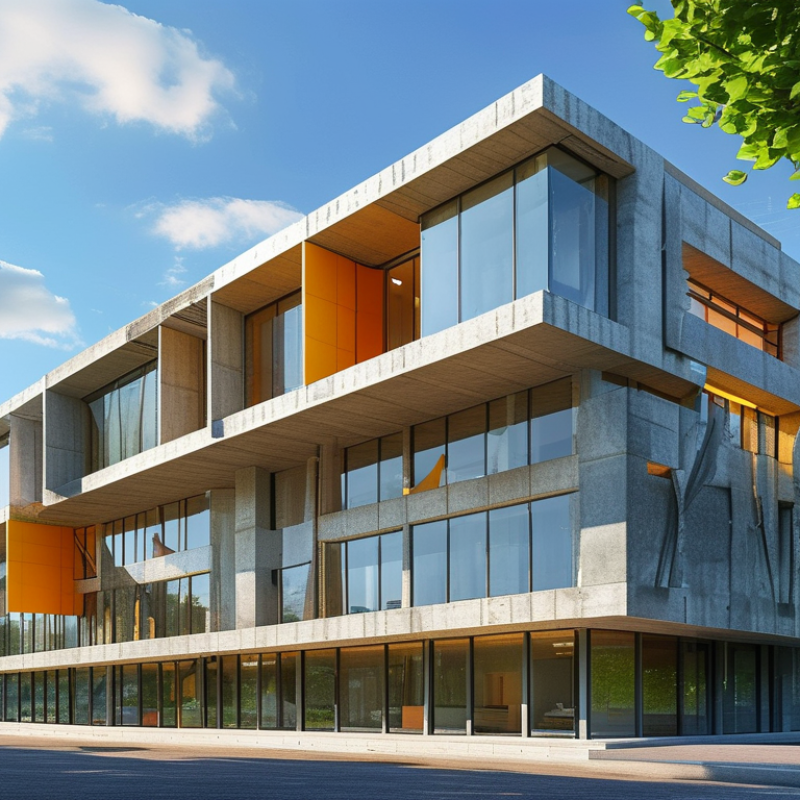
Understanding Pre-Engineered Buildings and Their Advantages in Modern Construction
Pre-engineered buildings (PEBs) are revolutionizing modern construction. They combine factory-made components with efficient design. This approach streamlines the building process. As a result, projects are completed faster and often more cost-effectively. Furthermore, PEBs are customizable, allowing for various uses such as warehouses or offices.
When choosing a pre-engineered building, consider your specific needs. Understand the purpose of the building, as this guides its design and material selection. Think about the location and climate, as these factors affect durability and insulation.
Another key aspect is the quality of materials. Selecting high-quality materials ensures longevity and resilience. Inspect samples and discuss with manufacturers about the sources of their materials. Reliability in construction leads to fewer repairs and maintenance in the future.
Consult with experts in the field. They can provide insights tailored to your project. Engaging professionals can help avoid common pitfalls and ensure that your building meets all necessary standards. Building a pre-engineered structure can be an efficient solution, but it requires careful consideration and planning.
Top 5 Tips for Choosing Pre Engineered Buildings Today
| Tip Number |
Tip Description |
Key Advantages |
Considerations |
| 1 |
Assess Structural Needs |
Customizable designs, optimal load distribution |
Ensure size and usage match requirements |
| 2 |
Evaluate Budget |
Cost-effective solutions, reduced construction time |
Factor in hidden costs, maintenance |
| 3 |
Select a Reputable Manufacturer |
Quality materials, guarantees |
Research reviews and past projects |
| 4 |
Customization Options |
Tailored design features, enhanced functionality |
Be clear on specific needs |
| 5 |
Consider Eco-Friendliness |
Sustainable materials, energy efficiency |
Research environmental certifications |
Key Factors to Consider When Selecting Pre-Engineered Building Materials
When selecting pre-engineered building materials, several factors come into play. Understanding the local climate is essential. Different materials perform uniquely based on temperature and humidity. For instance, steel may handle heat well, but it can rust in high moisture areas. Make sure to consider the long-term impact of climate on your choice.
Cost-effectiveness is another vital factor. While some materials may appear cheaper upfront, maintenance costs can add up. Also, consider the energy efficiency of the materials. Insulated panels may cost more initially, but they can significantly reduce energy expenses over time. Reflect on the balance between initial investment and long-term savings.
Lastly, you should pay attention to local regulations and standards. These can vary significantly and may affect material options. Engaging with a knowledgeable supplier can provide insights into compliant choices. However, be wary of relying solely on their suggestions. Researching independent sources ensures you make informed decisions. Building is a complex process, and it's crucial to reflect on each factor carefully.
Analyzing Cost-Effectiveness: How to Determine the Best Budget for Your Project
Choosing the right budget for a pre-engineered building project requires careful analysis of cost-effectiveness. Industry reports suggest that pre-engineered buildings can save up to 30% on construction costs compared to traditional methods. However, not all projects are created equal. A thorough assessment of your specific needs is vital.
A key consideration is the overall lifecycle cost. While the initial investment may seem lower, maintenance and operational expenses can add up over time. Research indicates that upfront savings might lead to higher costs in the long run if not evaluated properly. Cost-benefit analyses give insight into long-term fiscal impacts.
When selecting a pre-engineered building, compare different materials and designs. Lightweight structures may reduce foundation costs but can affect durability. Consult with experts to weigh trade-offs. Evaluate Total Cost of Ownership metrics to ensure you make an informed decision. Take the time to gather and review all relevant data—your project's long-term success may depend on it.
Top 5 Tips for Choosing Pre Engineered Buildings Today
Evaluating Design Flexibility and Customization Options in Pre-Engineered Buildings
When considering pre-engineered buildings, design flexibility becomes paramount. According to a report by the American Institute of Steel Construction, approximately 75% of commercial construction projects now favor pre-engineered solutions over traditional methods. This preference highlights the necessity for customization options that fit various business needs.
Focus on adaptability in building design. Many pre-engineered buildings offer open floor plans. This allows you to maximize space usage for different purposes. For example, if your business expands, you should easily adjust partitions and layouts. Customization can also encompass energy-efficient features. Designing with sustainability in mind can reduce long-term operational costs.
Evaluate the production lead time and assembly process. Some pre-engineered buildings can be erected in just weeks. This sort of efficiency can significantly impact your project timelines. Consider the balance between speed and quality. A quick build does not always mean a robust structure.
Explore potential future expansions. Will the building support new technology or layouts? Anticipating upgrades can save costs down the line. Stay informed about industry trends. Many organizations provide data on building performance and design innovations. Engaging with industry experts ensures that your choices align with successful standards.
Assessing Supplier Reputation and Industry Experience for Quality Assurance
When selecting pre-engineered buildings, considering supplier reputation is vital. A well-regarded supplier often reflects their commitment to quality. Look for companies that have a proven track record in the industry. Check online reviews and testimonials from previous clients. These insights can provide a glimpse into their reliability and customer service.
Industry experience also plays a significant role in ensuring quality. More established suppliers tend to have faced various challenges and learned from them. They often employ skilled professionals who understand the intricacies involved in pre-engineered construction. It’s crucial to review how long the company has been operating and the projects they have completed.
Engaging with suppliers about their experiences can reveal their understanding of best practices. Ask about any challenges they've overcome. Requests for case studies can help illustrate their problem-solving capabilities. However, some suppliers might not openly share this information. This hesitation can be a red flag when assessing their reliability. Making informed decisions is essential in this important investment.