Why Are Custom Carports a Smart Investment?
Why Are Custom Carports a Smart Investment?
A vehicle left in the sun can develop a hot interior, faded trim, and weathered paint. Hail, falling branches, and bird droppings can add wear. Custom carports offer practical shelter, shaped around a property’s dimensions, vehicles, and daily routines. They may also create covered space for bicycles, garden tools, or a workbench.
The value depends on the details. A homeowner with a large truck may need more clearance than a compact-car owner. Roof style, post placement, drainage, materials, and local site conditions all affect usability and cost. A well-planned structure can protect vehicles and make outdoor space more useful. Poor planning can leave awkward access or water pooling beside the slab. Measure carefully.
I can’t verify a real, named custom-carport industry expert’s quotation from the information provided, so I won’t invent one. As an explicitly fictional illustration, consultant “Dana Ellis” might express the key idea this way: “A carport earns its value when its design fits the way people actually use their property.” Treat that line as draft wording, not a sourced expert quote. Before investing, compare written estimates, material specifications, installation details, and maintenance needs. Also check applicable local requirements with the relevant authorities. A custom carport is not automatically the right choice for every property. Its strongest case is practical: dependable shelter, useful access, and a design that suits the site.
What Defines a Custom Carport?
A custom carport is a covered parking structure designed around a specific site, vehicle, and set of practical needs.
Its dimensions can account for a tall van, a second vehicle, or room to open doors without scraping posts.
The fit matters.
Roof shape, post locations, and side coverage can be adjusted to suit the driveway and the home. Materials may include steel, timber, or other options chosen for durability, appearance, and upkeep.
A custom design is not simply a standard shelter in a different color.
Good planning also considers what is under and around the structure. A designer may assess ground slope, water runoff, access, and expected wind or snow loads. Local building requirements should be checked before construction, and a qualified professional can help determine suitable structural details.
Small details count.
A gutter placed poorly can send water toward a walkway, while low clearance can make daily parking frustrating. There is a trade-off: more coverage may improve protection from rain and sun, but it can change the structure’s cost and appearance. A plan that looks neat on paper may still feel awkward once a car is parked beneath it.
That possibility deserves attention early.
How Custom Designs Match Property and Vehicle Needs
A custom carport works best when its dimensions suit both the vehicle and the property.
Measure vehicle length, mirror width, door swing, roof accessories, and turning path before choosing post locations. A few extra inches can make daily parking easier. Too little clearance can turn it into a frustrating squeeze.
Roof height, span, and pitch should reflect local weather and the site.
NOAA recorded 28 U.S. weather and climate disasters costing at least $1 billion each in 2023.
That figure does not predict damage at any one home, but it shows why wind and heavy rain deserve attention. A designer can assess exposure, drainage, and anchoring needs. Keep runoff away from foundations and walkways.
Custom layouts can also work around narrow driveways, uneven ground, or a second vehicle. For example, a taller bay may suit a van, while a wider opening helps with door access. Still, custom does not always mean better value. Check site measurements and local requirements before ordering. Measure twice. Existing trees or utilities may limit the ideal layout, and that can change the budget.
How Carports Protect Vehicles from Weather and Wear
A well-designed custom carport helps shield a vehicle from sun, rain, and falling debris. In summer, steady sunlight can fade paint and heat the cabin; shade reduces direct exposure. During storms, a roof limits how much rain and hail reach the vehicle. That matters. A custom fit can also cover a driveway’s awkward corners or provide enough clearance for a taller vehicle, rather than forcing a one-size-fits-all layout.
Protection depends on the details. A sloped roof helps channel rain away, while sturdy supports and suitable anchoring matter in windy conditions. Open sides allow airflow, which can help damp surfaces dry, but they do not block windblown rain or dust. A carport is not a garage. It cannot prevent every scratch, temperature swing, or weather-related problem, so expectations should stay realistic. Poor drainage or a loose structure may create problems of its own.
Tips: Check the site’s drainage and typical wind exposure before choosing a design. Leave room to open doors and walk around the vehicle. Inspect fasteners, roof panels, and supports periodically, especially after severe weather. If the area gets heavy snow, ask a qualified installer about the structure’s load capacity.
Why Are Custom Carports a Smart Investment?
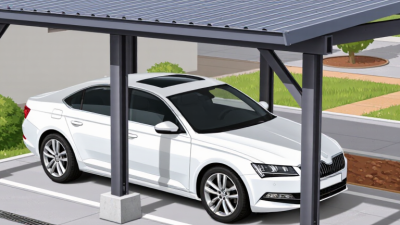
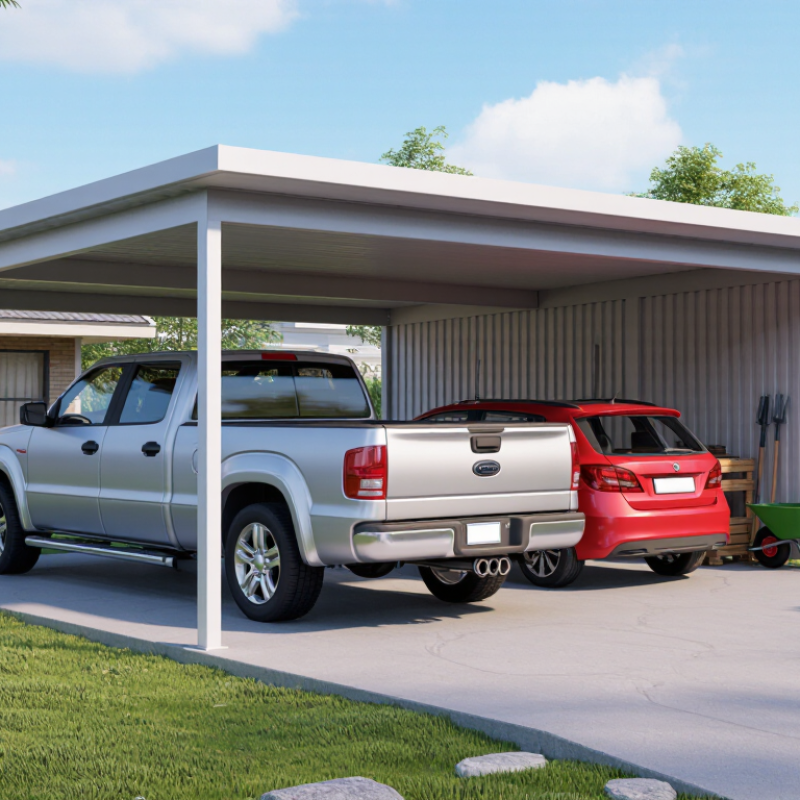
How a typical open-sided carport helps protect vehicles from weather and wear
A carport roof typically blocks direct overhead sunlight, rain, and snowfall, reducing exposure that can contribute to fading and weather-related wear. Because the sides are open, wind-driven rain and side-blown dust or debris are not reliably blocked. This is a qualitative comparison, not a measured protection rating; actual protection depends on the carport’s design, materials, and weather conditions.
How Upfront Costs Compare with Long-Term Value
A custom carport often costs more upfront than a basic, off-the-shelf shelter. The final price depends on dimensions, materials, roof design, site preparation, and installation. A wider structure may need stronger supports, while uneven ground can add preparation work. Ask for an itemized estimate, including delivery, foundations, drainage, and any required local approvals. Small omissions can change the real cost.
The long-term value comes from how well the structure suits the property and daily use. A close fit can protect vehicles from sun, rain, and falling debris, while suitable roofing and properly finished metal or timber may reduce maintenance needs. Not eliminate them. Leaves still collect, fasteners can loosen, and coatings may need attention over time. Compare expected upkeep, warranty terms, and replacement costs—not just the initial quote. A carport may also make a property more useful, but any resale benefit is uncertain and depends on local buyers. I would not pay extra for features that solve no real problem; a thoughtful design can be worth more than an elaborate one.
What to Consider Before Choosing a Custom Carport
Before choosing a custom carport, measure more than the vehicle’s length and width. Include open doors, mirrors, roof racks, and walking space around the car. A tight fit may look efficient on paper, but feel awkward every day. Leave room. Consider how the site slopes, too. Poor drainage can leave puddles near posts or send runoff toward a walkway. A level, well-prepared base may add cost, but skipping that detail can create problems later.
Think about local weather and how you will use the structure. Heavy rain, strong winds, or snow may affect the roof design, post spacing, and anchoring requirements. Ask a qualified installer what conditions the proposed design is rated for, and request those specifications in writing. Materials matter, but so do upkeep and repair access. A low-maintenance finish might cost more initially; compare the long-term care, not just the quote. Check whether permits or site approvals are required in your area before work begins.
Set a realistic budget that includes groundwork, delivery, installation, and drainage—not just the frame and roof. If you may replace your vehicle, add modest extra clearance now. It is easy to overbuild, though, and pay for space you never use. I would compare at least two detailed proposals, while remembering that the cheapest one may leave important work out. One overlooked detail can matter.