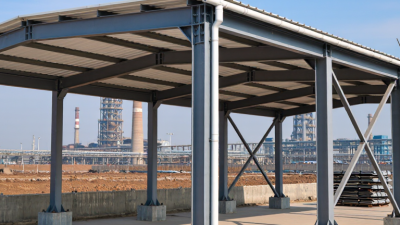
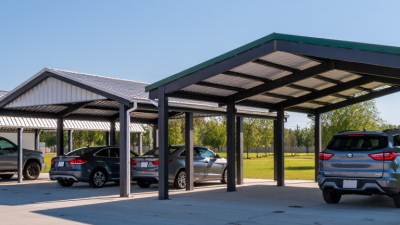
Top 10 Carport Structures for Global Buyers
Carport structures vary widely in frame design, roofing, durability, and installation needs. For global buyers, the right choice depends on more than appearance. Local weather, available space, vehicle size, and maintenance expectations all matter. A light canopy may suit a mild climate, while a reinforced steel frame can offer greater stability in areas exposed to strong winds or heavy snow. Details matter.
This guide compares ten common carport options, from freestanding metal shelters to attached and modular designs. It considers practical features buyers can verify: frame material, roof shape, drainage, anchoring, clearances, and the supplier’s installation guidance. These details affect daily use. They also influence transport, assembly, and long-term upkeep.
Specifications should be checked against the site and local building requirements before purchase. Product descriptions alone may not explain how a structure performs under particular conditions. Ask for material grades, load ratings, warranty terms, and clear assembly instructions. Where possible, compare the same specifications across suppliers. No design fits all.
A carport that looks sturdy in a photograph may still need stronger anchors or better corrosion protection for its intended location. This overview offers a useful starting point, not a substitute for site-specific advice. Readers can use it to narrow their options and ask more informed questions before making a decision.
What Defines a Carport and How Does It Differ from a Garage?
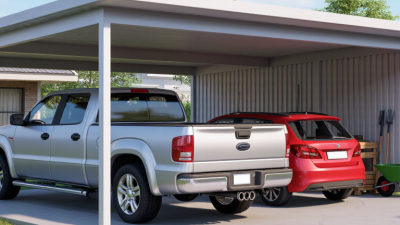
A carport is a roof supported by posts, built to shelter a vehicle. Most designs have open sides, so air moves freely around the car. They help reduce exposure to sun, rain, hail, and falling debris, but do not seal out wind-driven weather. A garage is enclosed by walls and usually has a door. It offers more privacy, security, and storage space, while a carport feels more accessible and often costs less to build. The distinction is not always absolute: some carports have partial walls, and some garages have limited insulation.
Tips: Check the roof height against your tallest vehicle, including roof racks. Look at how rain drains from the site, and note the direction of prevailing winds. Confirm that posts will not obstruct doors or walking paths. Local building requirements can affect dimensions and foundations, so verify them before choosing a design.
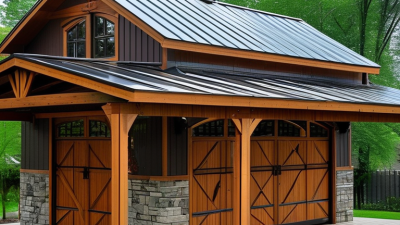
Material and layout matter as much as the label. Steel can suit exposed sites when properly coated, while timber may blend naturally with a home but needs ongoing care. A level gravel pad may work for some locations; soft or sloped ground may need a more engineered base. A carport can be practical, but it will not keep dust or determined hands away as reliably as a closed garage. That trade-off is easy to underestimate.
Which Ten Carport Structures Serve Global Buyers Best?
Which Ten Carport Structures Serve Global Buyers Best?
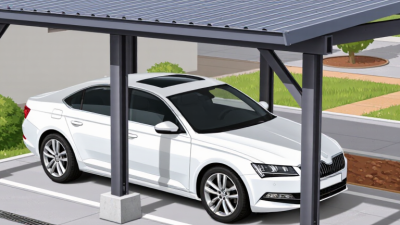
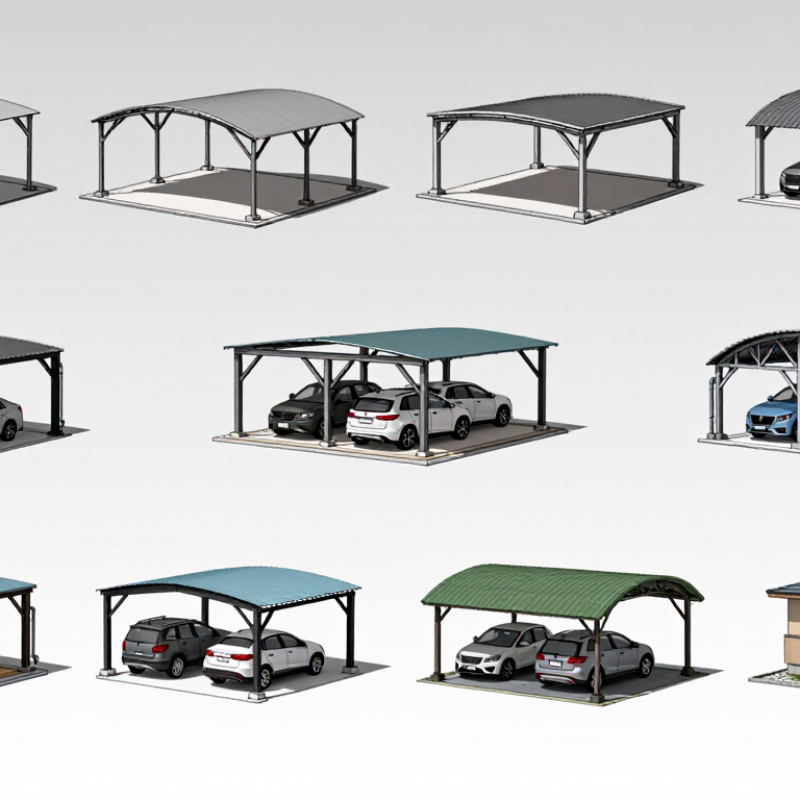
The best structure depends on weather, site shape, vehicle size, and future energy plans. Ten practical options are single-slope, gable, cantilever, double-cantilever, butterfly, arched, flat-roof, modular-bay, solar-canopy, and portable steel designs. Single-slope roofs shed rain in one direction. Gable and arched forms provide more headroom. Cantilever systems keep posts away from doors, while modular bays suit expanding parking areas. Butterfly roofs can direct runoff toward planned drainage. Solar canopies support panels, but require careful cable and maintenance access. No single design wins everywhere.
SolarPower Europe’s Global Market Outlook 2024 reports that the world added about 447 GW of solar capacity in 2023. That figure reflects broad market growth, not carport installations specifically. Still, it helps explain why solar-ready canopies attract buyers planning for electrification. Regional wind, snow, heat, and corrosion exposure should guide structural choices. A low-cost frame may prove costly if local conditions were underestimated. That judgment is not always easy.
Tips: Ask engineers to check local design loads, drainage, foundations, and clear vehicle height. Compare galvanized steel with aluminum for the site environment. Leave room for inspections. A detail can be missed.
How Do Materials and Roof Designs Affect Carport Performance?
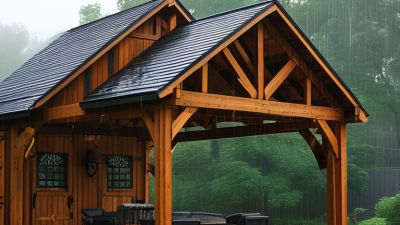
Materials determine how a carport handles corrosion, heat, and maintenance. Galvanized steel offers strong support, but damaged coatings can expose it to rust; aluminum resists corrosion well, though its spans and connections need careful engineering. Timber can suit sheltered settings, but moisture and insect exposure demand regular inspection. The U.S. Department of Energy’s cool-roof guidance reports that reflective roofs can stay up to 50°F cooler than conventional roofs in sunny conditions. That matters under a carport roof, where shade may protect a parked vehicle but does not remove heat from the surrounding structure. A light-colored finish helps. It is not a substitute for ventilation.
Roof shape changes how water and wind act on the frame. Gable roofs shed rain on both sides, while single-slope roofs need a clear, correctly positioned drainage path. Flat-looking roofs require particular attention to drainage; even shallow ponding adds weight. ASCE/SEI 7-22 provides design criteria for wind, snow, and rain loads, which vary by location and exposure. Buyers should ask for project-specific load calculations, not a generic “all-weather” claim. Small detail, big consequence. Open-sided carports can experience substantial wind forces, so roof panels, posts, and anchors must work as one system. The best choice may not be the most attractive drawing; local climate data and maintenance capacity should shape it.
How Can Buyers Choose a Carport for Their Climate and Site?
Choosing a carport for your climate and site begins with exposure, not appearance. Check prevailing wind direction, winter snow depth, and how rain moves across the ground. A roof that sheds water toward a doorway can create daily problems. Small details matter.
Match the structure to local conditions. In windy areas, ask a qualified installer or engineer about anchoring and design loads for your specific site. Where heavy snow is common, confirm the roof is rated for expected accumulation; do not rely on appearance alone. Near a coast, consider corrosion-resistant materials and rinse exposed surfaces periodically. For strong sun, think about shade at the hours you actually use the parking space. Measure vehicles with doors open, then allow room to walk around them. It is easy to underestimate that clearance. I would also check overhead branches, buried services, and the slope before choosing a position. A level-looking yard may still drain poorly. These checks take time, and sometimes the first preferred location is not the best one.
What Should Buyers Know About Installation, Codes, and Maintenance?
Before choosing among the top carport structures, check local permit rules and site conditions. The required design depends on wind, snow, seismic, and soil conditions, not just the structure’s size. Ask the local building authority which codes apply and whether engineered drawings are required. NOAA’s 2023 Billion-Dollar Weather and Climate Disasters report recorded 28 U.S. events with losses of at least $1 billion each, totaling $92.9 billion. That figure is not carport-specific, but it underscores why local hazard exposure and secure anchoring deserve attention.
Prepare the site carefully. Confirm underground utilities before excavation, and make sure the ground slopes away from posts so water does not pool around footings. Check setbacks, drainage, and access for installation equipment. A drawing can look complete and still miss the drain path. For larger or exposed structures, have a qualified professional verify foundation and connection details against local requirements.
Keep maintenance simple and regular. Inspect the roof, fasteners, posts, and anchors at least once a year, and again after severe weather. Look for loose bolts, cracked concrete, standing water, corrosion, or bent panels. Clear leaves from gutters and drainage channels. Follow the structure’s installation instructions for any adjustments; overtightening can damage components. Small checks matter. Keep a record of repairs and inspection dates, even if the first version is imperfect.