How to Choose the Best Carport Design for Your Needs?
Choosing the right carport design is crucial for homeowners. A well-designed carport can enhance your property's appeal. It protects your vehicle from weather and adds functionality.
When assessing your options, consider your specific needs. Think about space, style, and durability. The carport design should complement your home. You may find many designs, but not all suit your situation. It's important to balance aesthetics with practicality.
Many people struggle with this decision. Some rush in without proper thought. This can lead to dissatisfaction later. A reliable carport design should meet both current and future needs. Take your time to evaluate all factors before making your choice.
Factors to Consider When Choosing a Carport Design
When selecting a carport design, several factors come into play. Understanding these factors ensures that you make the best choice for your needs. One critical aspect is the climate in your area. Regions with heavy snowfall require a robust, sloped roof design. A study by the American Institute of Architects indicates that snow loads can add significant weight to a carport structure. Choosing a design that can handle local weather conditions is essential for longevity and durability.
Another factor to consider is the available space on your property. Measure the area accurately before deciding on a design. Some homeowners may opt for a single vehicle carport, while others need a larger design. The National Association of Home Builders suggests that a two-car carport typically requires at least 20 feet in width. Additionally, the orientation and layout must enhance accessibility both for parking and pedestrian movement.
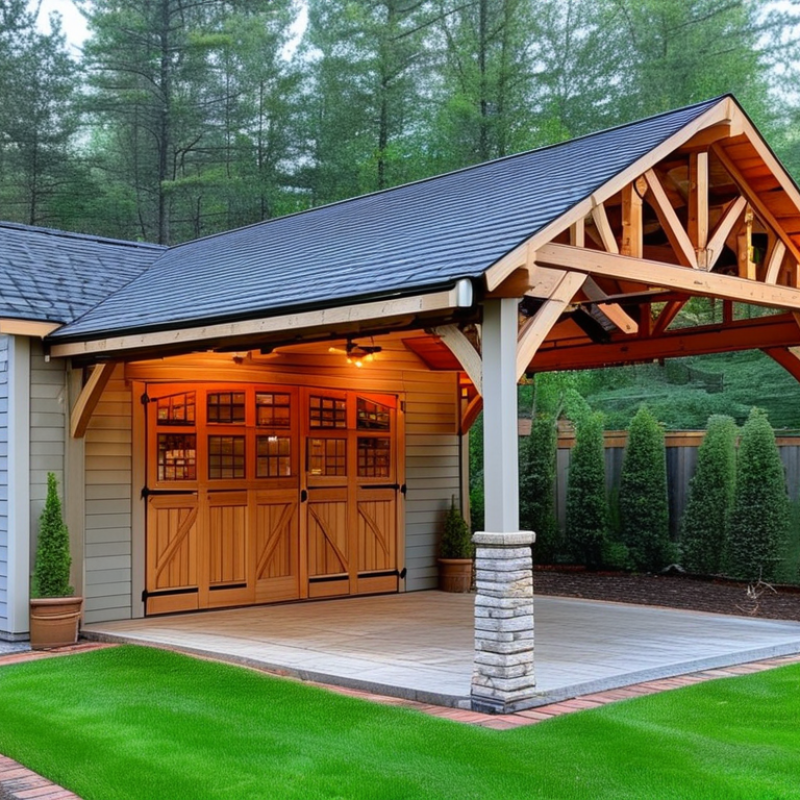
Design aesthetics also play a role in your decision. A carport should complement your home’s architecture. Materials used in construction can vary from wood to metal, each offering distinct advantages. For instance, metal structures may require less maintenance, while wooden designs may have a warmer appearance. Additionally, consider the finish and color, as they should harmonize with your home. It's vital to balance functionality with visual appeal as you choose the best carport design for your needs.
Understanding Different Types of Carport Structures and Materials
When choosing a carport, it's essential to understand the various types of structures and materials available. Metal carports are durable and offer strong weather resistance. They often come in various styles, from simple to more elaborate designs. On the other hand, wooden carports can provide a warm aesthetic but may require more maintenance over time. Consider the climate in your area before making a selection; certain materials fare better in harsh conditions.
Understanding your specific needs contributes to the best choice. For instance, if you live in an area with heavy snowfall, a carport with a steep roof can help prevent snow accumulation. Conversely, in regions with high winds, opt for sturdy, anchored structures to withstand gusts.
Tips to consider: Think about your budget as well. Some materials like aluminum are more cost-effective initially but may not last as long. Reflect on how you will use the carport, whether for parking only or additional storage. Customizing designs might seem appealing but can lead to higher costs and time frames that stretch. Balance aesthetics with practicality for lasting satisfaction.
Carport Design Preferences in Different Regions
This chart illustrates the popularity of different carport materials across various regions. Metal structures are the most favored option, while fabric and concrete designs have lesser demand. Understanding these preferences can help you choose the best carport that suits your needs.
Assessing Your Vehicle Size and Storage Needs for Carport Design
Choosing the right carport design begins with understanding your vehicle size and storage needs. Most sedans require a width of about 10 feet, while larger vehicles like SUVs and trucks may need up to 12 feet. A 2020 industry report indicated that nearly 60% of homeowners underestimated the space needed for their vehicles. This often results in tight fitments, leading to potential damage.
Consideration should also be given to storage for tools, equipment, and other items. If you frequently work on your vehicle or store recreational gear, you may need additional space. Data shows that a majority of carport users desire extra storage, yet only 30% initially plan for it. This gap highlights a significant oversight in the design phase.
Reflecting on your specific use cases is vital. Some may find that a single-carport suffices, while others might benefit from a double or even triple design. A survey revealed that 45% of users wished they’d opted for a larger layout. Flexibility in carport size and design is essential for long-term satisfaction, especially as vehicle size and family needs evolve over time.
Regional Climate Impact on Carport Design Selection
When selecting a carport design, the regional climate significantly influences your choices. Hot and sunny areas require features that protect vehicles from harsh UV rays. In contrast, regions with heavy snowfall need robust structures that can withstand the weight. Understanding the local weather patterns is essential in making a sound decision.
Consider the materials based on climate. For humid areas, opt for rust-resistant metals or treated wood. In dry climates, lightweight options might suffice. Climate-appropriate designs enhance longevity and performance. Don't overlook ventilation; proper airflow is necessary to avoid heat buildup.
Evaluate your specific needs. Can your carport withstand seasonal storms? Will it provide adequate shelter from the sun, hail, or branches? Assessing your local environment will guide you in selecting an effective design. Remember, the best carport is not only about aesthetics but also about functionality in the face of changing weather conditions. Making informed choices now can lead to fewer structural issues in the future.
Cost Analysis and Budgeting for Your Carport Project
When considering a carport project, budgeting is key. First, evaluate your specific needs. Are you protecting a single vehicle or multiple ones? The design and size will impact costs significantly. A smaller structure might seem economical, but is it adequate for your needs? Always factor in the future. You may want a larger space down the line.
Next, analyze material options. Metal carports can offer durability but might come at a higher price. Wooden carports provide aesthetic appeal but require more maintenance. Calculate potential installation expenses as well. DIY may save money, but consider your skill level. Mistakes here could lead to additional costs down the road.
It's crucial to set a realistic budget. Include hidden costs like permits or site preparation. If your budget feels tight, prioritize essential features. It’s okay to adjust your vision based on financial realities. Reflecting on these aspects helps ensure your carport meets both your needs and your budget effectively. This thoughtful approach leads to a more satisfying end result.