How to Start Carport Manufacturing Business Successfully?
The carport manufacturing industry is witnessing significant growth. According to market research by IBISWorld, the sector has a steady increase of 3.4% annually. This surge highlights the rising demand for outdoor protection solutions in residential areas. Carports offer crucial benefits like vehicle protection from harsh weather.
Starting a carport manufacturing business can seem daunting. Many new entrepreneurs struggle with market competition and operational challenges. According to a survey by Statista, over 60% of new manufacturing businesses fail within the first five years. This statistic underscores the importance of strategic planning and understanding the dynamics of the carport manufacturing market.
Investing in quality materials and innovative designs is essential. Customers are looking for durability and aesthetics. However, it’s equally vital to recognize potential pitfalls. A lack of market research or a poorly defined target audience can lead to failure. Entrepreneurs must remain vigilant and adapt to market trends to ensure sustainable growth in this evolving industry.

Identifying Market Demand for Carports and Industry Trends
Identifying market demand for carports is crucial for success. Start by researching local climate conditions. Areas prone to heavy rain or snow often have higher demand for carports. Look for gaps in existing products. Are customers looking for custom designs? Identify trends in materials that attract buyers, like sustainable options or easy installation.
Tips for Market Research: Engage with potential customers through surveys. Ask about their preferences and needs. Attend local home improvement shows to observe competitors and gather insights.
Industry trends show a rising interest in multifunctional carports. Many customers seek additional features like storage space. This opens avenues for creativity in design. However, be mindful of the risks involved. Analyze why certain designs fail or underperform in the market. Learning from these mistakes can help refine your approach.
Continuous observation of market shifts is essential. Rising costs of materials may affect pricing strategies. Adaptability in both design and business model can be vital for growth.
Developing a Detailed Business Plan for Carport Manufacturing
Starting a carport manufacturing business requires a detailed and strategic business plan. Research indicates that the carport market is projected to grow steadily. According to a recent industry report, the market is expected to reach $3 billion by 2027. Understanding this market can help frame your business goals effectively.
A comprehensive business plan should include your target market analysis. Look into demographics and geographic areas for potential customers. Including insights from sources like Statista can be beneficial. Data shows that 60% of homeowners prefer metal carports over traditional wood. This preference can influence your material selection and marketing strategies.
Tips: Define your unique selling proposition. Why would a customer choose your carport? Also, remember to plan for seasonal fluctuations. Sales may dip in winter. Consider how you can maintain cash flow during these months. Conducting regular market evaluations can help you stay on top of trends and adjustments needed for your plan.
Keep your operations scalable. Start small and refine your production process. Gather customer feedback frequently and adjust as necessary. Be prepared to face challenges, such as supply chain delays. This could impact your delivery times and customer satisfaction. Regularly reassess your strategies to stay competitive in this evolving market.
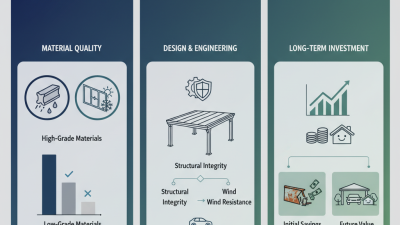
Carport Manufacturing Business Analysis
Securing Funding and Investment for Your Carport Business
Starting a carport manufacturing business requires adequate funding and careful investment strategy. To secure funds, consider multiple sources. Traditional bank loans are common, but they can be hard to obtain. Presenting a solid business plan is crucial. Investors want to see detailed projections and market analysis. If your plan lacks depth, you may face skepticism.
Explore alternative funding options. Crowdfunding platforms can attract initial investors. Pitch your concept effectively. Share your vision with potential backers. Be prepared for feedback and questions. This scrutiny might reveal flaws in your plan. Reflect on these discussions to strengthen your approach.
Networking can also lead to investment opportunities. Attend industry-related events and build relationships with potential partners. Their insights might challenge your assumptions and push you to refine your business model. Remember, not every connection will lead to funding, but each interaction is valuable in crafting a compelling proposal.
Establishing Supply Chains and Manufacturing Processes
Establishing a reliable supply chain is critical for a successful carport manufacturing business. According to a report from Statista, the global carport market is expected to reach $3.21 billion by 2027. This growth emphasizes the importance of efficient supply chains. Sourcing quality materials, such as steel and aluminum, is vital. Finding trustworthy suppliers can save costs and ensure timely delivery.
Manufacturing processes should be streamlined. Adopting lean manufacturing techniques can enhance efficiency. This approach minimizes waste while maximizing productivity. A study from McKinsey suggests that companies implementing lean processes can reduce production costs by 20-30%. However, it's essential to monitor production flow often. Regular assessments help identify bottlenecks and areas for improvement.
Investing in technology leads to better outcomes. Automation in the production line can improve consistency and reduce errors. Nevertheless, the upfront costs might be daunting for new businesses. It's crucial to weigh the long-term benefits against immediate expenses. Balancing these factors can be challenging but necessary for growth in this competitive market.
Marketing Strategies for Promoting Your Carport Products
Effective marketing strategies are crucial for promoting your carport products. Understanding your target audience is essential. Research shows that 70% of homeowners prefer durable and stylish carport solutions. Focus on highlighting the features that appeal to them, such as weather resistance and aesthetic appeal. Utilize social media platforms to engage with potential customers. Visual content on platforms like Instagram can showcase your products effectively. Engaging posts can build brand recognition.
Email marketing remains a powerful tool. According to a report by the Direct Marketing Association, every $1 spent on email marketing can yield about $42 in return. Create promotional campaigns that include special offers or educational content about carports. Providing value through informative newsletters helps build trust and authority with your audience.
Customer testimonials can enhance credibility. Statistics reveal that 84% of consumers trust online reviews as much as personal recommendations. Encouraging satisfied customers to share their experiences will help establish your brand in the carport industry. Regularly assess your marketing strategies to see what works and where improvements are needed. Adaptability can give you an edge in a competitive market.