2026 Best Parking Lot Coverage for Global Buyers

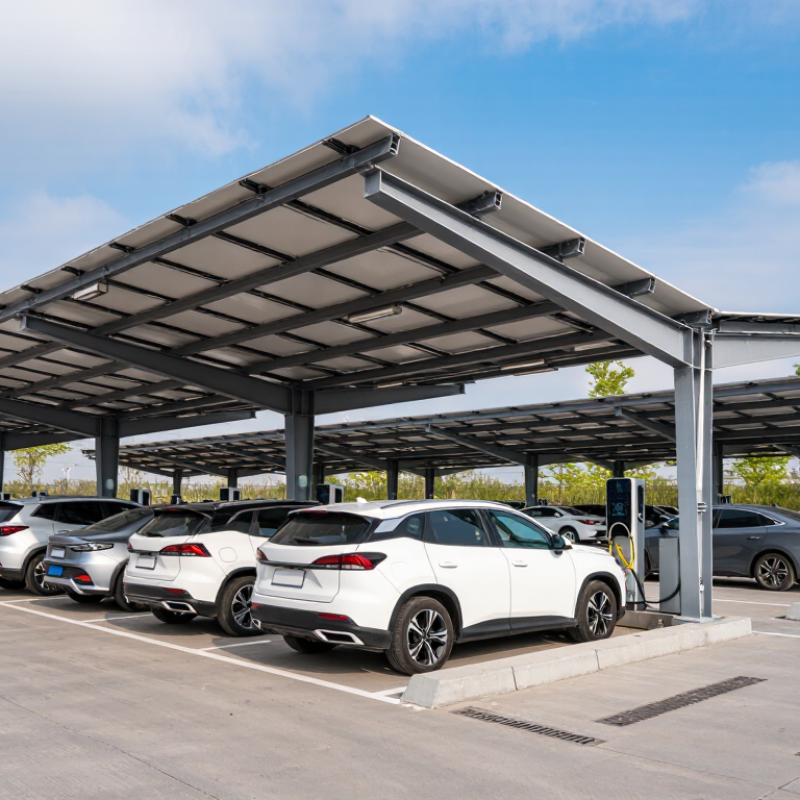
Choosing the best Parking lot coverage in 2026 requires more than comparing roof size or unit price. Global buyers must examine climate exposure, drainage, lighting, structural ratings, maintenance access, and local installation conditions. A steel canopy may protect vehicles from intense sun, hail, and heavy rain. It may also support solar panels and electric-vehicle chargers. However, poor drainage design can turn a covered entrance into a slippery hazard.

The International Energy Agency’s Global EV Outlook 2024 reports that public charging points exceeded four million worldwide in 2023, growing by more than 40 percent in one year. That change makes charger-ready parking infrastructure increasingly practical. The IEA Photovoltaic Power Systems Programme also recorded global solar capacity above 1.6 terawatts by the end of 2023. These figures support solar-ready coverage, but they do not guarantee a profitable project. Energy prices, grid capacity, snow loads, wind exposure, and permitting costs still vary sharply between regions.

Donald Shoup, a leading parking policy expert, wrote, “The right price for curb parking is the lowest price that can be charged without creating a shortage.” His principle also matters for covered parking. Capacity, usability, and operating cost must stay balanced. Buyers should request verified engineering documents, corrosion warranties, fire-safety information, and realistic installation timelines. Ask for local references. Inspect the details.

This guide compares global Parking lot coverage options for 2026. It considers vehicle protection, solar integration, accessibility, lifecycle value, and supplier reliability. Some rankings remain subjective. That is worth admitting. A design that performs well in Dubai may fail under Canadian snow. Reliable decisions need evidence, not attractive renderings.
2026 Best Parking Lot Coverage for Global Buyers

What Parking Lot Coverage Means and Why It Matters in 2026

What Parking Lot Coverage Means and Why It Matters in 2026

Parking lot coverage protects owners and operators from risks linked to vehicle storage and daily site use. It may include general liability, damage from storms, theft-related claims, and repairs after accidents. Coverage differs by location, construction, lighting, and operating hours. A busy lot beside a stadium faces different exposure than a small office lot. In practice, clear site records can support a more accurate insurance assessment.

Global buyers should examine exclusions, deductibles, claim procedures, and currency conditions before purchasing coverage. Local rules may affect required liability limits and acceptable policy wording. A policy can appear broad while excluding flood damage, unattended vehicles, or faulty security equipment. That detail is easy to miss. It is also where many purchasing mistakes begin. Ask a qualified local adviser to confirm whether the coverage matches the property, tenants, and traffic pattern.

Tips: Photograph entrances, payment areas, lights, signs, and drainage points before opening. Keep maintenance logs and incident reports in one secure system. Review coverage after adding cameras, electric vehicle spaces, or new access controls. Do not assume last year’s limits remain suitable in 2026. Small gaps matter.

Key Types of Parking Lot Insurance for Global Buyers

2026 Best Parking Lot Coverage for Global Buyers

Parking lot insurance should match how the site operates, not just its size. General liability coverage addresses visitor injuries, vehicle damage claims, and accidents linked to maintenance. Property coverage can protect lighting, gates, payment machines, signs, and security equipment. If attendants move or store vehicles, garage keepers coverage may also be relevant. It may not apply to every parking model.

Business interruption coverage can help after covered damage closes the lot. Buyers using cameras, license-plate systems, or digital payments should review cyber coverage carefully. Workers’ compensation requirements differ by country and may protect employees after workplace injuries. An umbrella policy can add higher limits when a serious claim exceeds primary coverage.

Details matter most.

Ask whether the policy covers floods, earthquakes, storms, vandalism, and falling objects. Check territorial limits, deductibles, maintenance exclusions, and claims reporting deadlines. A local insurance professional can compare these terms with municipal rules and lease obligations. Global programs often look efficient, but local gaps still appear. This is worth questioning.

Tips:

Photograph entrances, drains, lighting, and payment equipment before renewal. Keep inspection logs for potholes, ice, signs, and cameras. Estimate peak daily vehicle volume honestly. Understated figures can create coverage disputes later. No policy is perfect. Review it after renovations, new technology, or changes in parking operations.

Essential Factors for Comparing Parking Lot Coverage Plans

2026 Best Parking Lot Coverage for Global Buyers

Comparing parking lot coverage requires more than checking the annual premium. Start with the insured property definition. Confirm whether it includes paving, lighting poles, gates, drainage systems, ticket equipment, landscaping, and attached structures. NFPA’s parking garage fire analysis estimates about 1,300 U.S. fires annually, causing approximately 37 million dollars in yearly property damage. Outdoor lots face different threats, especially flooding, hail, wind, and vehicle impact.

Liability limits deserve equal attention. Review bodily injury, property damage, pedestrian accidents, inadequate lighting claims, and contractor activities. A low deductible may increase premiums sharply. A high deductible can strain cash flow after a severe storm. The 2025 global catastrophe insurance report recorded about 145 billion dollars in insured natural-catastrophe losses during 2024. That figure supports stronger weather protection, but it does not justify buying every extension. Local flood maps, drainage records, and claims history should guide the decision.

Compare exclusions line by line. Flood, earthquake, subsidence, vandalism, and business interruption may require separate terms or strict sublimits. Check whether replacement cost applies, or only depreciated value. Ask how currencies, taxes, emergency repairs, and overseas claims handling are treated. Coverage wording often looks clear until a claim occurs. I have found that assumption is dangerous. Require written examples for a damaged gate, a flooded entrance, and a pedestrian injury. A plan that looks cheaper may simply transfer more uncertainty to the buyer.

Regional Regulations and Risks Affecting International Purchasers

2026 Best Parking Lot Coverage for Global Buyers

For international purchasers, parking lot coverage means more than painted spaces and security lights. Regional rules can change the investment quickly. A site permitted for commercial parking in one city may require a new zoning review elsewhere. Check land-use approval, drainage standards, fire access, accessibility ratios, lighting limits, and local construction permits before signing.

Climate creates another layer of risk. Coastal regions may require stronger stormwater controls, while colder areas can demand snow storage and pavement designed for freeze-thaw cycles. In practice, a small slope error can leave standing water near entrances. That detail may increase maintenance costs and create safety concerns. It is easy to underestimate.

Foreign buyers should also examine ownership restrictions, property taxes, currency exposure, insurance terms, and rules for transferring rental income. Local counsel, a licensed surveyor, and an independent engineer can verify records instead of relying on seller-provided summaries. Ask for recent inspection reports, permit histories, utility maps, and evidence of accessibility compliance. Some documents may be incomplete. That is a warning, not a minor inconvenience.

Risk allocation deserves careful attention. Purchase contracts should identify responsibility for hidden drainage defects, contaminated soil, boundary disputes, and unpaid local charges. Regulations can change after acquisition, so reserve funds should cover upgrades. A practical review may reveal that the cheapest lot needs expensive resurfacing, lighting redesign, or traffic-flow changes. The first estimate is often too optimistic.

How to Select and Purchase the Best Parking Lot Coverage Policy

Choosing and purchasing parking lot coverage requires more than comparing premiums. Start with a written risk assessment of the site, including cracked asphalt, lighting, drainage, ticket equipment, gates, and pedestrian routes. Ask whether the policy covers property damage, public liability, vandalism, theft, severe weather, and business interruption. A busy urban lot may need higher liability limits than a small rural facility.

Review the policy wording carefully. Check exclusions for flooding, poor maintenance, unattended vehicles, underground utilities, and construction work. Confirm whether replacement costs reflect current local prices, not outdated estimates. International buyers should use a licensed local adviser who understands regional insurance rules, taxes, currency, and claim procedures. Verify the insurer’s financial strength and complaint history through an independent regulator or recognized industry source. A low quote can look efficient, but it may leave important gaps. That is an uncomfortable lesson.

Tips: Photograph the lot after rain and at night. Keep maintenance logs, inspection reports, and incident records. Request sample claim forms before purchasing. Compare deductibles, not only annual prices. Ask who pays for emergency cleanup and temporary security. Review coverage after adding cameras, charging equipment, new entrances, or nearby construction. If the wording remains unclear, pause the purchase and obtain written clarification. Verbal assurances are easy to forget.