Modular Construction Trends in 2026 How to Adapt for Success
As the Modular Construction industry evolves, 2026 presents new trends that demand adaptation for success. Mark K. Johnson, a leading expert in Modular Construction, once stated, "Innovation drives efficiency in our field." This idea underscores the necessity for businesses to embrace change.
Modular construction offers benefits like speed and cost-effectiveness. However, the industry is not without its challenges. Increased demand must align with skilled labor shortages. Companies must adapt strategies to attract and retain talent. Additionally, sustainable practices are becoming more critical.
Innovation alone won't guarantee success. Companies should ensure quality in each module they produce. The balance between speed and craftsmanship is vital. Amidst these trends, a thoughtful approach can lead to resilience and long-term success. Embracing modular construction isn't merely a trend; it's a strategic move towards a more efficient future.
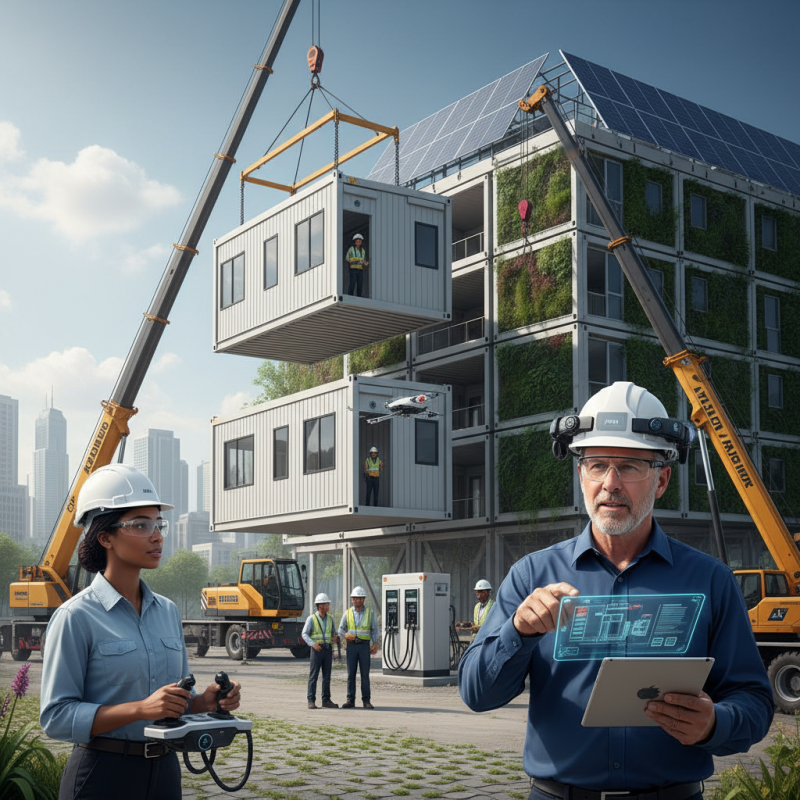
Modular Construction Market Growth Projections for 2026
The modular construction market is set for significant growth in 2026. Industry reports forecast increased demand for prefabricated building solutions. As urbanization accelerates and housing shortages persist, modular construction offers a viable answer to these challenges. The flexibility and speed of this approach attract both developers and investors. However, this rapid growth also brings complexities.
Tips: Focus on cost management. Streamlining your supply chain can slash expenses. Embrace technology for better project tracking. Real-time data helps ensure projects stay on schedule. Communication between teams is essential. Misunderstandings can derail timelines.
Another key aspect is sustainability. The demand for eco-friendly construction is rising. Modular methods can reduce waste and energy consumption. However, not every company is fully equipped to transition to sustainable practices. A commitment to continuous improvement is necessary to thrive in this evolving market. The need to adapt is clear, but it requires diligence and foresight.
Key Innovations in Modular Construction Technologies and Techniques
Modular construction is evolving rapidly, driven by innovative technologies and techniques. By 2026, the industry is expected to grow at a compounded annual growth rate (CAGR) of 6.2%, according to a recent report by Research and Markets. This growth reflects a broader acceptance of modular methods, which enhance efficiency and reduce construction timelines. Prefabrication and off-site construction are gaining traction, contributing to a streamlined building process.
Key innovations are reshaping the modular landscape. Advanced robotics, 3D printing, and Building Information Modeling (BIM) are transforming design and assembly. A study by McKinsey & Company highlights that companies using these technologies can reduce project timelines by up to 30%. However, integrating such innovations is not without its challenges. Managing supply chains and ensuring quality control remain pressing concerns for industry leaders.
Emphasizing sustainability, modular construction increasingly utilizes eco-friendly materials and energy-efficient practices. The World Economic Forum notes that 70% of global emissions arise from buildings. By adapting to modular techniques, the construction sector can significantly minimize its environmental footprint. Despite the benefits, the transition requires a cultural shift within the industry, as traditional methods still dominate many companies' practices.
Modular Construction Trends in 2026
This bar chart illustrates the projected adoption rates of various modular construction technologies and techniques in 2026. The following categories show the percentage of industry professionals who anticipate significant implementation of these innovations.
Strategies for Integrating Sustainability in Modular Building Solutions
The future of modular construction demands a fresh perspective on sustainability. To truly innovate, we need to explore materials and processes that reduce environmental impact. Utilizing recycled materials can greatly cut down waste. Harvesting energy during production is another method to explore. This approach may require upfront investment but yields long-term benefits.
Integrating sustainability is not just about materials. Designing for energy efficiency is crucial. Natural lighting and ventilation can further minimize energy consumption. However, this process often faces challenges. Architects and engineers may be constrained by traditional practices or regulations. It requires creativity to blend sustainability with functionality.
Adaptation also means reconsidering supply chains. Local sourcing can reduce transportation emissions. Yet, this may limit choices and increase costs. A balance is necessary. Embracing a circular economy model can inspire innovative strategies. This can lead to a more resilient construction industry that meets future needs. The path may be complex, but the potential rewards are significant.
Workforce Development: Skills Required for the Future of Modular Construction
The future of modular construction hinges on workforce development. As technology advances, the industry's skill demands evolve. A report from McKinsey states that in the next five years, nearly 50% of construction jobs will require advanced technical skills. However, many current workers lack these abilities.
Workers must have proficiency in digital tools and new materials. Understanding Building Information Modeling (BIM) is crucial. A study by the National Institute of Standards and Technology found that BIM can reduce project delivery time by 20%. Yet, only 20% of workers have the necessary training in these technologies.
Adaptable training programs are essential. The Modular Building Institute emphasizes hands-on training and mentorship as effective strategies. Companies must invest in upskilling their workforce to attract talent. However, many lack the resources or infrastructure for comprehensive training initiatives. Creating partnerships with educational institutions can bridge this gap. The industry should prioritize continuous learning to maintain a competitive edge in modular construction.
Regulatory Changes Impacting Modular Construction Practices by 2026
The regulatory landscape for modular construction is rapidly evolving. By 2026, regulations will likely become more stringent. This shift demands that industry players stay informed and agile. Embracing these changes can enhance project sustainability and efficiency.
Compliance with local codes is vital. Each region may have its own guidelines. Pay attention to height restrictions, environmental impact assessments, and safety regulations. Understanding these nuances can prevent costly delays.
**Tips:** Regularly consult legal experts. Their insights can help you navigate complex regulations. Also, join industry forums to share experiences and strategies.
Furthermore, new technologies are influencing regulations. Expect more emphasis on modular building technologies. Drones and automation tools may become standard for inspections. Keeping pace with these advancements is crucial for staying competitive.
**Tips:** Invest in training for your team. Familiarity with new technologies will increase project efficiency. Seek out partnerships that prioritize innovation in their operations.
Anticipating regulatory shifts can lead to better project outcomes. Stay proactive to avoid potential pitfalls. Adjusting your approach now will position your business for success in 2026 and beyond.
Modular Construction Trends in 2026
| Year | Trend | Regulatory Change | Impact on Modular Construction |
| 2023 | Sustainable Materials | Increased regulations on building materials | Shift towards eco-friendly modular designs |
| 2024 | Digital Design Integration | New digital modeling standards | Enhanced project visualization and planning |
| 2025 | Off-Site Construction Growth | Revised zoning laws favoring off-site construction | Greater acceptance and use of modular buildings |
| 2026 | Smart Building Technology | New safety compliance regulations | Increased efficiency and safety in modular designs |