What Are Vehicle Protection Systems and How Do They Work?
Vehicle protection systems are no longer limited to metal locks, alarms, or a steering-wheel clamp. Modern vehicles combine immobilizers, encrypted key fobs, GPS tracking, cameras, driver-assistance sensors, and software monitoring. These layers protect the vehicle physically and digitally. They also create new points of failure.
The scale of the problem is measurable. The National Insurance Crime Bureau reported 1,020,729 vehicle thefts in the United States during 2023. Upstream Security’s 2024 Global Automotive Cybersecurity Report recorded 295 publicly reported automotive cyber incidents in 2023. Those figures do not describe every loss. Some incidents remain private or unverified. That gap deserves attention.
Automotive cybersecurity researcher Charlie Miller has described the modern vehicle as “a computer on wheels.” His observation explains why protection now requires more than a stronger door lock. A secure system must authenticate the driver, detect unusual commands, protect communications, and recover safely after an attempted breach. Physical security still matters. Software security matters just as much.
This article explains how Vehicle protection systems work, from immobilizers and alarm sensors to telematics, biometric access, and cloud-based alerts. It also considers practical weaknesses, including signal relay attacks, stolen credentials, poor software updates, and false alarms. No system is perfect. A dependable design uses several independent safeguards, clear maintenance procedures, and verified security updates. The strongest protection is layered, tested, and reviewed throughout the vehicle’s service life.
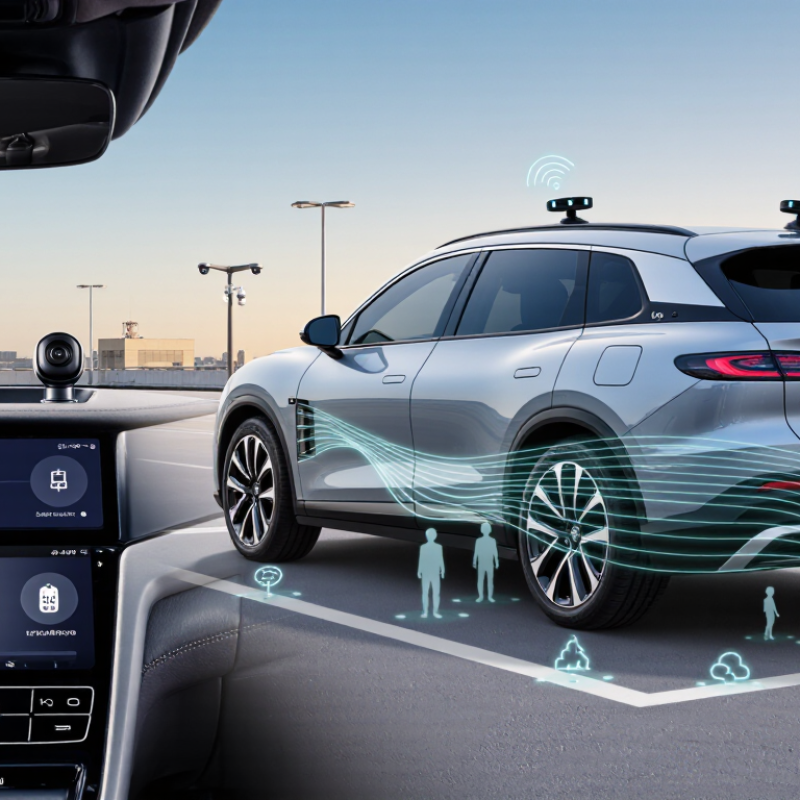
What Vehicle Protection Systems Are and Why They Matter
What Are Vehicle Protection Systems and How Do They Work?
Vehicle protection systems are designed to reduce injury, prevent collisions, and protect occupants during crashes. They include seat belts, airbags, reinforced passenger compartments, electronic stability control, automatic emergency braking, and blind-spot monitoring. Some systems act before impact. Others respond within milliseconds after a collision begins.
Their importance is clear in safety research. The National Highway Traffic Safety Administration reported that seat belts saved 14,955 lives in the United States during 2022. The Insurance Institute for Highway Safety found that automatic emergency braking reduced rear-end crashes by about 50% in studied vehicles. These figures show practical value, not just laboratory promise. A belt tightens across the chest. A sensor detects a closing gap. A brake activates before the driver fully reacts.
Protection is layered. Active systems monitor roads and vehicle movement, while passive systems manage crash energy. The World Health Organization’s Global Status Report on Road Safety 2023 estimates 1.19 million annual road deaths worldwide. That number makes basic protection impossible to dismiss. Still, no system is perfect. Sensors can misread heavy rain, glare, or faded lane markings. Drivers may also trust warnings too much. That assumption deserves scrutiny. Regular maintenance, correct seating, and attentive driving remain essential. The details matter.
The Main Types of Vehicle Protection Systems
Vehicle protection systems combine safety, theft prevention, and digital safeguards. Their main types work at different moments. Passive systems, including seat belts, airbags, head restraints, and crumple zones, reduce injury during a crash. Active systems act earlier. Anti-lock braking, electronic stability control, lane support, and automatic emergency braking can help drivers avoid impact. The World Health Organization reported about 1.19 million annual road deaths worldwide, showing why layered protection matters.
Theft protection uses electronic immobilizers, alarms, secure key systems, and vehicle tracking. Connected protection adds remote diagnostics and unusual-activity alerts, but it also creates cybersecurity responsibilities. Strong authentication and timely software updates can reduce digital risks. Physical security still matters. A locked door is not a complete strategy. The National Insurance Crime Bureau recorded more than one million vehicle thefts in the United States during 2023, proving that prevention remains practical, not theoretical. No system is flawless. Sensors can misread road markings, and drivers may trust assistance too much.
Tips: Check tire pressure and warning lights regularly. Keep safety software updated through verified service channels. Store keys away from exterior doors. Test alarms and tracking notifications before an emergency. Review the vehicle’s protection features in a quiet parking area, not during traffic. Industry testing reports from the Insurance Institute for Highway Safety show that crash performance depends on both vehicle design and restraint use. The uncomfortable detail is simple: advanced protection cannot replace attentive driving, correct seating, or a fast response.
How Vehicle Protection Systems Detect and Prevent Threats
What Are Vehicle Protection Systems and How Do They Work?
A vehicle protection system works as a layered network of sensors, software, and alerts. Its sensors monitor doors, windows, movement, tilt, and unusual key activity. A tilt sensor notices lifting, while an interior sensor detects movement inside the cabin. The control unit compares these signals with normal vehicle behavior. When activity appears suspicious, it may trigger an alarm, disable starting, or send a mobile notification. The response must be quick. According to the National Insurance Crime Bureau, 1,020,729 vehicles were reported stolen in the United States during 2023. That scale matters.
Protection systems also manage driving threats. Cameras, radar, parking sensors, and automatic braking scan nearby objects continuously. The Insurance Institute for Highway Safety found that rear automatic braking reduced backing crashes by 78% in its 2022 study. These systems detect distance, speed, and movement, then warn or intervene when danger rises. However, detection is not perfect. A blocked camera, poor weather, or a distracted driver can weaken performance. No sensor sees everything.
Reliable protection depends on layered design and regular maintenance. Owners should test alerts, inspect sensors, update system software, and keep cameras clean. False alarms remain a practical weakness. They can make people ignore genuine warnings. Vehicle security therefore needs both technical safeguards and attentive human use. Perfect protection does not exist.
What Are Vehicle Protection Systems and How Do They Work?
Vehicle protection systems detect abnormal conditions by monitoring electrical and communication signals. The chart shows typical nominal signal levels used by common vehicle security inputs and networks.
Door and ignition circuits commonly use changing voltage states to identify unauthorized access or operation. CAN bus networks use differential voltage changes to recognize electronic messages, allowing the vehicle to trigger alarms, immobilization, or alerts when unusual activity is detected. Values are typical nominal levels and vary by vehicle design.
How Security Features Work Together During an Incident
Vehicle protection systems combine several security features rather than relying on one device.
Door, hood, and cabin sensors monitor unexpected movement or entry. A control unit receives these signals and compares them with normal vehicle conditions. If the pattern looks suspicious, it may trigger an alarm, disable starting, or send an alert to the owner.
Timing matters during an incident.
A locked door can delay access, while an electronic immobilizer prevents the engine from responding to an invalid key signal. Interior sensors may detect glass movement or unusual motion. Some systems also record location and provide time-stamped information for authorized responders.
These features work as layers. One layer may fail, but another can still provide useful protection.
Real-world reliability depends on maintenance and correct setup.
Weak batteries, damaged sensors, or poor installation can create false alerts. That is not a minor inconvenience; frequent warnings may cause people to ignore a genuine event.
I have also found that drivers often misunderstand notification delays. A phone alert may depend on network coverage and power.
No system is perfect. Regular inspections, software updates, and clear user training make the response more dependable.
The driver should know which signal means a locked door, a low battery, or an active incident.
Choosing and Maintaining an Effective Vehicle Protection System
Vehicle protection systems can combine alarms, immobilizers, tracking devices, cameras, and reinforced locks. The right combination depends on your parking location, driving habits, and vehicle value. A system should fit the vehicle’s electrical design and daily use. Professional installation reduces wiring errors and prevents unnecessary battery drain. Check for clear documentation, secure data handling, weather resistance, and backup power. These details matter during heavy rain or a long weekend away.
Maintenance should be simple enough to follow. Inspect visible wiring every few months, especially near the battery and doors. Clean camera lenses with a soft cloth. Test alerts in a safe location, not beside sleeping homes. Replace remote-control batteries before they become unreliable. Keep software updated through approved channels. An annual inspection can reveal weak connections, damaged sensors, or an aging backup battery. Record each service date. Small records prevent forgotten problems.
No system is perfect. I have seen drivers install advanced equipment, then ignore repeated alerts. That creates alarm fatigue. Adjust sensitivity when false warnings continue, but do not silence every notification. Review access permissions and remove old users promptly. Keep emergency contacts current. A recovery plan should include the vehicle identification number, recent photographs, and service records. Sometimes, a simpler system maintained carefully works better than complicated equipment left unchecked.
Related Posts
-
How to Choose the Best Vehicle Protection Systems
-

Top Carport Design Ideas for Your Home How to Choose the Best Option?
-

10 Essential Tips for Designing Cold Formed Steel Buildings
-

How to Choose the Best Solar Carports for Your Business?
-

Top Carport Solutions for Your Home and Vehicle Protection Needs?
-

Top 5 Tips for Choosing Pre Engineered Buildings Today?