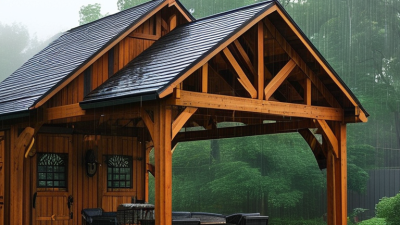
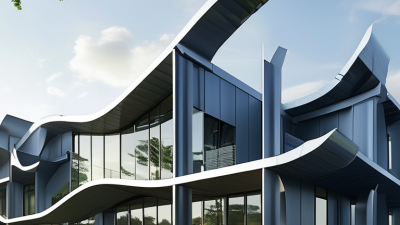
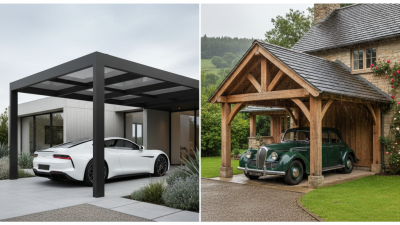
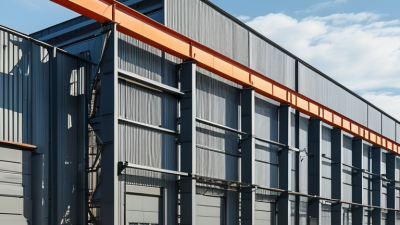
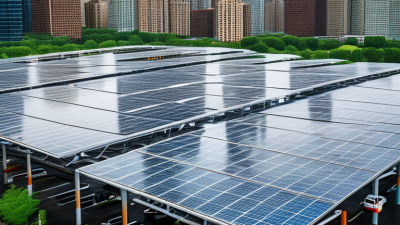
What Are the Top Carport Manufacturing Types?
Choosing the right carport manufacturing type begins with understanding how materials, production methods, and site conditions work together. A welded steel carport offers strong joints and flexible dimensions, making it suitable for larger vehicles, workshops, and areas exposed to heavy wind. Roll-formed steel models usually provide faster production and more consistent panel shapes. They can also reduce manufacturing costs.
Aluminum carports create a lighter option, especially where corrosion resistance matters. Modular systems use standardized columns, roof panels, and connection points. This approach can simplify transportation, installation, and future expansion. Custom hybrid designs combine steel frames with aluminum details or insulated roofing. They are useful when appearance and performance must share the same space.
“Good carport design starts with the load path, not the roof color,” says Daniel Mercer, a structural metal-building consultant with more than two decades of fabrication experience. His point is practical. Snow, rain, wind, soil, and vehicle height should influence every manufacturing decision. A glossy finish cannot compensate for an undersized frame.
Manufacturing quality still depends on details people may overlook. Check weld penetration, galvanizing coverage, fastener placement, drainage angles, and dimensional tolerances. Ask for material specifications and documented quality checks. Local building requirements also deserve attention before production begins.
No single type wins everywhere. A roll-formed model may suit a compact driveway, while a welded structure may better serve commercial equipment. I may be oversimplifying this comparison. Real projects often reveal compromises between price, strength, speed, and visual appeal. The best carport manufacturing choice is the one that fits the site, the load, and the owner’s long-term plans.
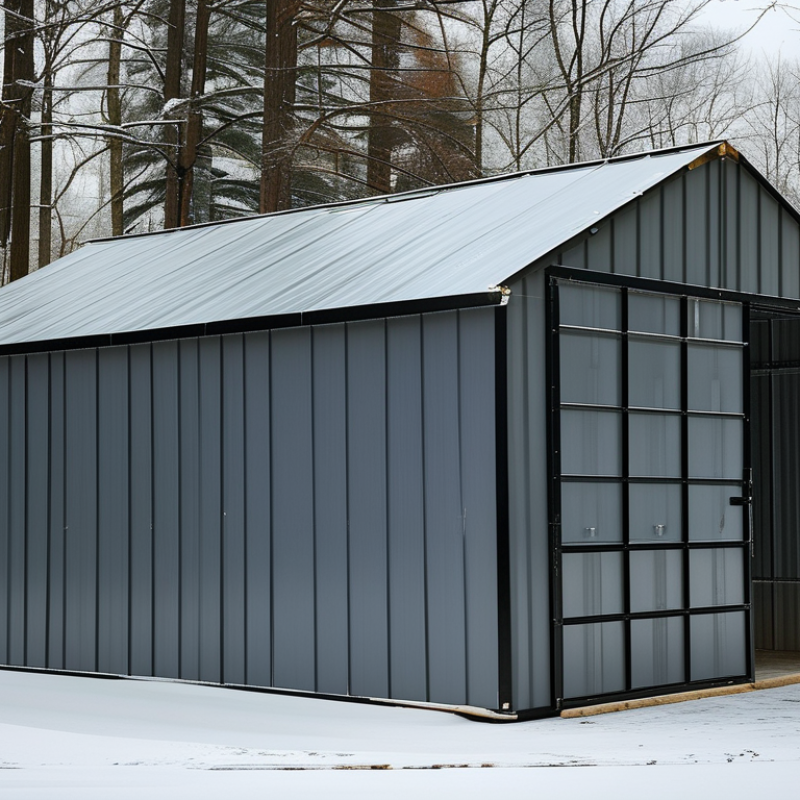
How Do Steel Carports Use G90 Galvanized Coatings at 0.90 oz/ft²?
Steel carports are commonly produced from roll-formed tubing, welded frames, or modular bolted sections. Among these types, galvanized steel remains popular because its coating protects exposed surfaces during transport, installation, and outdoor use. The coating matters more than many buyers expect.
Under ASTM A653/A653M, G90 means 0.90 ounces of zinc per square foot across both sides of the steel sheet. That equals approximately 275 grams per square meter. The zinc layer sacrifices itself before the underlying steel corrodes. It also creates a protective barrier over cut edges and small scratches. However, G90 describes coating mass, not a guaranteed service life. That distinction is easy to miss.
The American Galvanizers Association explains that atmospheric conditions strongly affect galvanized steel performance. Rural air, coastal salt, industrial pollution, and trapped moisture can produce very different corrosion rates. A 2024 zinc industry technical report also emphasizes drainage and ventilation as practical durability factors. Therefore, a G90 carport should use sloped roofing, open joints, and sealed areas where water may collect. The frame should not sit directly in persistent mud. It sounds basic.
Field inspection still matters. Look for white corrosion deposits, damaged edges, and fastener contact points after installation. G90 is robust, but it is not armor. A poorly drained structure can shorten its useful life, even with the correct coating specification.
Why Do Aluminum Carports Prefer 6061-T6 Structural Components?
Carport manufacturing typically falls into prefabricated kits, modular systems, and custom-engineered structures. Aluminum models often use 6061-T6 components because the alloy combines low weight with dependable structural strength. The International Aluminium Institute’s material-flow data places construction at roughly one-quarter of aluminum demand. That scale reflects aluminum’s practical value in outdoor structures.
6061-T6 is solution heat-treated and artificially aged. Under common ASTM B221 requirements, qualifying products can provide tensile strength near 42 ksi and yield strength near 35 ksi, depending on shape and specification. This strength helps support roof loads without oversized posts. The alloy also resists atmospheric corrosion, which matters when rain collects around base plates. It cuts handling effort, too. A two-person crew can position lighter beams with less equipment. Still, T6 does not solve every design problem. Welding can soften the heat-affected zone, and thin profiles may deflect before they fail. That detail deserves attention.
Tips: Request mill certificates, alloy temper, wall thickness, and load calculations. Check whether the design covers local snow, wind, and drainage conditions. The Aluminum Association’s Aluminum Standards and Data and applicable ASTM documents provide useful verification points. Do not treat “6061-T6” as a complete quality guarantee. Connections, anchors, fasteners, and installation accuracy often decide real-world performance. One overlooked bolt can matter.
How Are Fabric Carports Built with 12–24 oz/yd² PVC-Coated Covers?
Fabric carports are commonly built with welded steel frames, bolt-together modules, or tensioned cable systems. The cover is usually PVC-coated polyester fabric. A 12–24 oz/yd² specification equals approximately 407–814 g/m², according to the conversion used in IFAI technical guidance. Heavier fabric generally provides greater tear resistance, but weight alone does not prove quality. Coating thickness, yarn strength, seam design, and UV protection also matter.
Manufacturing begins with polyester scrim, which receives a PVC coating under controlled heat and pressure. The fabric is then cut using measured digital patterns. High-frequency welding or hot-air welding joins the panels. These seams must remain flexible during wind movement. ASTM D751 procedures are commonly used to evaluate coated-fabric properties, including coating adhesion and seam behavior. Field installers usually tension the cover over curved or peaked steel frames. Drainage needs careful attention. Flat fabric traps water quickly.
A 12 oz/yd² cover can suit lighter seasonal structures, while 18–24 oz/yd² fabric is often selected for demanding commercial or snow-prone applications. The choice still depends on engineering loads, anchoring, and local weather records. IFAI’s 2023 fabric-structure guidance emphasizes that fabric performance depends on the complete assembly, not the membrane alone. That point is easy to overlook. In practice, weak edge cables or poorly sealed cutouts can shorten service life faster than a lighter fabric. Even strong PVC-coated covers need inspection, cleaning, and tension checks. The specification is useful, but it is not the whole story.
When Do Modular Carports Follow ASCE 7 Wind and Snow Loads?
Modular carports are commonly manufactured from galvanized steel, aluminum, or engineered cold-formed sections. Their factory-built parts improve consistency, speed, and installation accuracy. However, a standard kit is not automatically designed for every location.
ASCE 7 wind and snow loads matter when local building regulations require structural design for a permanent carport. They also matter when the structure needs a permit, supports vehicles or equipment, or faces severe weather. Wind design considers basic wind speed, exposure, roof shape, enclosure condition, and anchorage. Snow design considers ground snow load, roof slope, drifting, and unbalanced accumulation. High-altitude or open areas may demand closer review.
Site conditions change everything. A carport beside a tall building may experience different turbulence than one in an open field. Anchors must transfer uplift and lateral forces into suitable concrete or soil. Do not rely on roof strength alone. The connections often control performance. An engineer should verify drawings, calculations, and foundation details under the locally adopted code.
A load table can look exact. It may still hide important assumptions. Experienced reviewers check those assumptions before fabrication, not after installation. Some modular designs need stronger frames, shorter spacing, or additional bracing. That extra material may seem excessive. It can prevent costly redesign when wind or snow conditions exceed a generic rating.