How to Choose Outdoor Canopies for Global Buyers in 2026?
Choosing Outdoor canopies for global buyers in 2026 requires more than comparing prices, colors, and catalog photographs. Buyers must connect product design with climate exposure, installation conditions, safety expectations, and replacement costs. Grand View Research’s outdoor furniture market analysis indicates continued global growth through 2030, while Mordor Intelligence also identifies rising demand for flexible outdoor-use products. These reports describe broader categories, not canopies alone. That distinction matters.
A practical evaluation begins with the site. A coastal hotel may need corrosion-resistant frames and fabrics that tolerate salt air. A shopping center in a hot region may prioritize UV stability, airflow, and heat reduction. A rainy venue needs reliable drainage, sealed seams, and clear maintenance instructions. Wind performance should be verified through documented testing, not attractive marketing language. Buyers should also request fabric specifications, frame alloys, warranty terms, installation drawings, and replacement-part availability. Standards such as EN, ASTM, or local building requirements may apply differently across markets.
The World Meteorological Organization continues to report rising climate variability and more frequent extreme weather risks in many regions. Therefore, a canopy designed for one climate may perform poorly elsewhere. The numbers guide decisions, but they do not replace field experience. A supplier’s test result may not reflect a crowded rooftop, uneven pavement, or careless assembly. This is where buyers need honest questions and independent verification. Some assumptions will fail. A lower purchase price can become expensive after one damaged season. In 2026, the strongest buying decision will balance verified performance, practical service, and responsible long-term use.
Define Outdoor Canopy Types and Their Global Use Cases
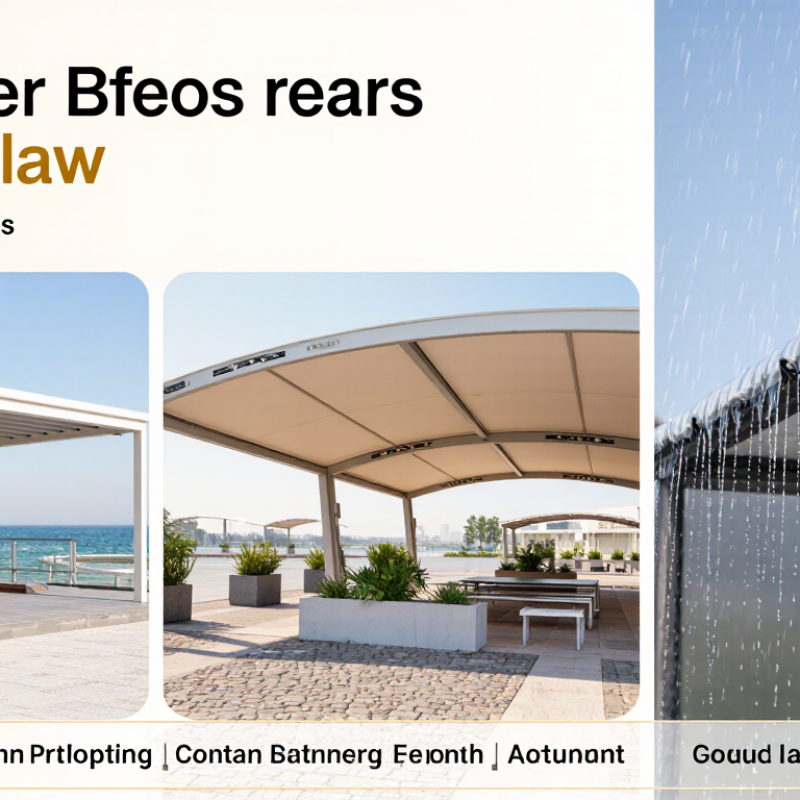
Outdoor canopies fall into several practical types. Pop-up models use folding frames and fabric tops. They suit market stalls, short events, and temporary shade near a campsite. Their light frames are easy to carry, but they can feel unstable in gusts. Check frame joints, anchoring points, and replacement-top availability before buying.
Freestanding frame canopies cover dining areas, loading points, or outdoor workstations. Retractable awnings attach to buildings and suit patios where shade needs change during the day. Permanent tensile structures offer broad coverage for parks and public venues, but need site-specific engineering. The categories blur in real projects. A “temporary” canopy may stay in place for years, which deserves more thought.
Climate exposure helps explain the choice. The World Meteorological Organization reported that 2023 was about 1.45°C above the 1850–1900 average, based on its consolidated analysis. That figure does not predict local wind or rainfall, so buyers should check regional weather records too. Match fabric UV resistance, drainage, and anchoring to the actual site.
A pale roof over a sunlit queue can reduce direct exposure; a low roof with poor runoff may create a problem instead. One detail is often missed: users need clear headroom, not just a large footprint.
Match Canopy Materials to Climate, Durability, and Maintenance Needs
Choosing an outdoor canopy in 2026 starts with climate, not appearance. The WMO’s State of the Global Climate 2023 reported 2023 as the warmest year recorded, at about 1.45°C above pre-industrial levels. Buyers should expect stronger heat, rain, and seasonal stress. In hot, dry regions, solution-dyed acrylic or UV-stabilized polyester can reduce fading. Open HDPE mesh also improves airflow. It will not stop heavy rain.
For humid or coastal locations, PVC-coated polyester offers useful water resistance and easier cleaning. However, trapped moisture can encourage mold around seams. Aluminum frames resist corrosion, while galvanized steel usually provides greater structural strength. ASTM G154 and ISO 4892-3 testing can help compare accelerated UV exposure, but laboratory results are not perfect field predictions. Salt air remains stubborn.
Cold climates need flexible fabrics and frames that tolerate snow and repeated contraction. Snow loads require more than a strong-looking roof. ASCE 7 load guidance should inform engineering decisions, especially for permanent installations. NOAA recorded 28 U.S. billion-dollar weather and climate disasters in 2023, a reminder that extreme conditions deserve serious planning. Maintenance matters too. Inspect tension, joints, drainage, and fasteners every season. Wash dust before it becomes a hard film. Replace damaged fabric early. I have seen buyers choose the cheapest cover, then spend more on repairs. The mistake is understandable, but still costly.
Evaluate Size, Structure, Safety, and Installation Requirements
How to Choose Outdoor Canopies for Global Buyers in 2026?
Outdoor canopy selection starts with measurable conditions, not appearance. The World Meteorological Organization reported that 2024 was the warmest year recorded, about 1.55°C above the pre-industrial average. NOAA also counted 27 billion-dollar weather disasters in the United States during 2024. Weather risk is becoming harder to ignore. Measure the usable area, entrance clearance, furniture footprint, and drainage direction. Leave walking space around tables. A canopy that fits on paper may feel cramped during real use.
Structure and safety need equal attention. ASCE 7-22 provides wind-load methods based on location, exposure, height, and canopy shape. Do not trust one generic wind rating. It may ignore local terrain or roof uplift. Check frame material, joint strength, ballast weight, and anchoring depth. Fabric should meet relevant flame-resistance requirements, such as NFPA 701, where local rules require them. Temporary installations may still need permits or certified inspections.
Tips: Ask for engineering calculations, installation drawings, and test conditions. Confirm whether the quoted size includes the frame or only the fabric. Use corrosion-resistant fixings near saltwater. Inspect anchors after the first strong storm. Installation errors are common. Even experienced buyers sometimes overlook drainage, uneven ground, or emergency access. Before ordering, compare local building rules with the supplier’s technical documents and obtain a qualified site assessment.
How to Choose Outdoor Canopies for Global Buyers in 2026
Evaluate size, structure, safety, and installation requirements before choosing a canopy.
Footprint area examples: areas are calculated as width × length from the listed dimensions. Compare these with your usable site area, allowing room for access and anchoring. Also check frame material and joint design, the manufacturer's wind and weather limits, suitable anchoring for the ground surface, and whether installation needs multiple people or tools. Follow the product instructions and local safety requirements.
Check International Standards, Shipping Factors, and Supplier Reliability
Start with the canopy’s intended use and destination market. Ask suppliers for test reports covering frame strength, fabric performance, and wind resistance. For awnings, EN 13561 provides performance requirements, including wind-resistance classifications; confirm that the product type falls within its scope. Request reports from a laboratory accredited to ISO/IEC 17025, and check that the tested model matches the one being quoted. Paperwork alone is not proof of durable field performance. Ask for installation guidance, too.
Shipping deserves equal scrutiny. UNCTAD’s Review of Maritime Transport 2024 reports that more than 80% of world merchandise trade by volume moves by sea. Canopy frames and fabric therefore need careful packing against moisture, abrasion, and crushing. Request carton dimensions, gross weights, pallet details, and a loading plan before comparing freight quotes. A low unit price can lose its appeal when oversized cartons raise transport costs. Small details matter.
Supplier reliability is visible in the answers. Can the supplier provide dated inspection records, material specifications, and a clear production schedule? Ask how defects are documented and resolved, and whether replacement components are available. Check references for comparable export orders, not just domestic sales. I would also request a pre-shipment inspection, even when the supplier has strong certifications. It adds time and cost. Sometimes that is the sensible trade-off.
Compare Total Costs, Customization Options, and Long-Term Value
For global buyers in 2026, an outdoor canopy’s price is only the starting point. Compare the full landed cost: unit price, packaging, freight, import charges, installation, and replacement parts. A low quote can become expensive if the frame arrives poorly protected or requires unusual fittings. Ask suppliers to itemize costs and confirm what the quoted price excludes. Check fabric weight, frame material, corrosion protection, and warranty terms against the conditions where the canopy will be used. Salt air, strong sun, and frequent setup can change the value calculation.
Customization also affects cost and lead time. Specify dimensions, fabric color, printing, sidewalls, anchoring, and spare parts before requesting a final quote. A sample panel can reveal color or stitching differences that a digital proof may miss. Useful details matter. A reinforced corner may be worth more than an extra decorative feature. Confirm that replacement fabric and compatible connectors will remain available; otherwise, a small failure could sideline the entire unit. For multi-market orders, clarify measurement units, packing labels, and delivery schedules in writing. These checks take time, and they do not remove every risk.
Long-term value depends on how often the canopy is used and maintained. Ask for setup instructions and cleaning guidance, then estimate likely repair and storage needs over several seasons. In practice, buyers sometimes over-specify features they rarely use. I would revisit that assumption before paying for them. A balanced comparison should weigh purchase and delivery costs against durability, repairability, and the cost of downtime.
Related Posts
-
What Are the Best Solar Carports in China?
-
China Top Structural Steel Systems Manufacturers
-

Top Carport Solutions for Your Home and Vehicle Protection Needs?
-
What Are the 10 Best Metal Carports for Global Buyers?
-
How to Find a Reliable Carport Manufacturer?
-
How to Choose the Best Carport Design for Your Needs?