What Are the Best Solar Carports in China?
Solar carports turn exposed parking areas into useful energy assets, but the best choice depends on more than panel output. In China, buyers can compare integrated systems, custom steel structures, and equipment assembled from separate suppliers. The right solution should fit the site, not just a brochure.
This guide explains how to assess solar carports by structure, module and inverter options, installation support, and long-term service. Look closely at steel specifications, corrosion protection, drainage, and engineering for local wind and snow conditions. These details affect durability and should be confirmed for the actual project. Details matter.
Charging needs also shape the design. A workplace may need predictable daytime generation, while a commercial parking facility could prioritize visitor access, monitoring, or future EV chargers. Ask suppliers for clear drawings, component data, warranty terms, and references from comparable installations. A low quote can leave important work unclear.
There is no single winner for every buyer. Project size, climate, grid connection, parking layout, and maintenance capacity can change the comparison. Some product claims may be difficult to verify from marketing materials alone, so request supporting documents and review assumptions carefully. Not just price.
The sections ahead offer a practical framework for comparing Chinese providers and system types. Use it to shortlist options, identify questions for vendors, and judge whether a proposed design suits your site. A little caution helps.
What Defines a Solar Carport in China?
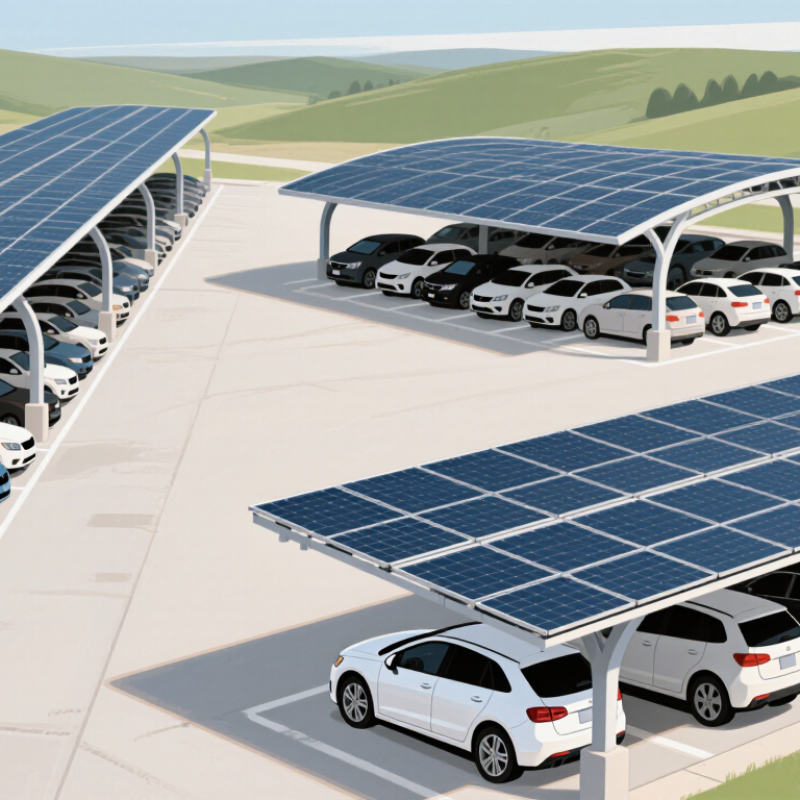
A solar carport in China is more than a parking roof with panels attached. It combines a raised canopy, load-bearing supports, photovoltaic modules, electrical equipment, and a usable parking area. The defining feature is how these parts work together: the structure must shelter vehicles while safely carrying the modules and managing generated power. That distinction matters. A ground-mounted solar array beside a car park does not become a carport simply because drivers park nearby.
Design choices should reflect local wind, snow, drainage, vehicle clearance, and grid-connection conditions. Cables need protected routes, and rainwater should not spill onto walkways or charging points. Battery storage and electric-vehicle chargers can be included, but neither is essential to the basic definition. China’s National Energy Administration reported 96.29 GW of newly installed distributed solar capacity in 2023; IEA PVPS reported 216.9 GW of total new solar capacity that year. These figures show the scale of the wider market, not carport installations specifically. Not the same measure. In practice, project descriptions sometimes blur “solar canopy” and “solar carport.” A clear specification should state the parking function, structural design, electrical arrangement, and whether charging or storage is included. Even then, site conditions can complicate a neat definition.
How Solar Carports Generate and Use Electricity
What Are the Best Solar Carports in China?
How Solar Carports Generate and Use Electricity
A solar carport turns an ordinary parking canopy into a small power station. Photovoltaic panels capture sunlight and produce direct-current electricity. An inverter converts it into alternating current for buildings, chargers, or other electrical loads. On a clear afternoon, power may flow directly to nearby offices or electric-vehicle charging points. That matters. Cars also gain shade, while rainwater runs from the canopy into planned drainage channels. The system’s output depends on panel orientation, local weather, shading, and maintenance—not just its rated capacity.
When generation exceeds immediate demand, electricity can be stored in batteries or sent to the grid, depending on the installation’s design and connection arrangements. At night, stored energy may support selected loads, but batteries add cost and require careful sizing. Monitoring equipment can show production and faults, though readings need context: a shaded row may underperform even when the overall display looks healthy. A neat design can still be a poor fit. The most practical carports match panel area to real daytime use, leave safe clearance for vehicles, and make cleaning and inspection straightforward. Not magic. Dust, heat, and weak maintenance can all reduce production.
Which Features Set Leading Solar Carports Apart?
What Are the Best Solar Carports in China?
Leading solar carports stand out through engineering, not just panel count. China’s National Energy Administration reported 216.88 GW of newly installed solar capacity in 2023. That scale makes reliable construction and maintenance important. A strong canopy uses site-specific checks for wind uplift, snow load, drainage, and vehicle clearance. Columns should leave car doors usable and emergency routes open. Small details matter. Corrosion-resistant finishes, accessible cable trays, and replaceable components can reduce maintenance headaches. A polished proposal can still overlook awkward site conditions, so check drawings against the actual parking layout.
Energy estimates should reflect local weather, panel tilt, shading, and orientation. NREL’s PVWatts technical tool uses these inputs to estimate photovoltaic output, underscoring why generic yield figures deserve caution. Leading designs also manage rainwater deliberately and provide safe access for inspection. Ask for structural calculations, equipment specifications, and a clear maintenance plan before comparing bids.
Tips: Visit a completed site if possible. Look beneath the canopy for tidy wiring, dry walkways, and clear access to each parking bay.
What Are the Best Solar Carports in China? Which Features Set Leading Solar Carports Apart?
Why it matters: Higher module efficiency can produce more rated power from the same roof area—useful when a carport has limited space. These values are calculated from the standard test irradiance of 1,000 W/m²; they are module-level figures, not forecasts of annual energy production. For a real project, also assess structural safety, drainage, corrosion protection, electrical design, and site-specific wind and snow loads.
How to Compare Solar Carport Suppliers in China
Comparing solar carport suppliers in China begins with the project, not the brochure. Share a site plan, parking layout, and local weather data before requesting quotations. Ask how the proposed structure handles wind, snow, drainage, and vehicle clearance. A supplier should explain its assumptions and provide calculations for review. Details matter.
Compare the same scope across offers: steel grade, corrosion protection, foundation design, module layout, wiring, and installation support. A low price may exclude concrete work, electrical equipment, or transport. Request drawings, material specifications, production photos, and references for completed projects. If possible, inspect a sample joint or factory quality records. Not just price.
Check whether the supplier can adapt the design to your site and coordinate changes in writing. Ask about production lead time, packaging, replacement parts, and warranty exclusions. Confirm who handles commissioning and what documents arrive with the system. I would be cautious about treating a long warranty as proof of quality; the terms and service process matter more. Some comparisons remain imperfect when bids use different assumptions, so record every clarification before choosing.
Where Solar Carports Fit Best and What Buyers Should Consider
What Are the Best Solar Carports in China?
The best solar carport depends on site use, not appearance. Busy commercial parking lots suit systems with long daytime occupancy and stable electricity demand. Industrial parks can benefit from larger structures, especially where roof space is limited. Apartment complexes need stronger attention to shade, driving clearance, drainage, and resident charging habits.
China’s solar market already operates at enormous scale. The International Renewable Energy Agency reported 609 GW of solar capacity in China by the end of 2023. That figure shows manufacturing strength, but it does not guarantee a suitable carport design. Site surveys remain essential. Check annual sunlight, soil conditions, wind exposure, snow loads, and transformer capacity. A shaded lot may produce less power than expected.
Electric vehicle charging changes the calculation. The IEA’s Global EV Outlook 2024 reports that China accounted for more than half of global electric car sales in 2023. Therefore, buyers should compare daytime solar output with charging demand, rather than focusing only on panel capacity. Ask for measured generation estimates, structural calculations, corrosion protection details, and maintenance access. Request clear assumptions.
Small omissions become expensive. A low beam can obstruct delivery vehicles. Poor drainage can damage pavement and cables. Battery storage may improve evening use, but its cost, safety controls, and replacement cycle require careful review. Some projects still overestimate savings because they ignore parking occupancy and grid charges. The numbers need challenging.