China Best Metal Carports How to Choose the Right One?
Choosing among China’s best metal carports starts with the site, not the sales brochure. Measure the parking area, check vehicle height, and note where rainwater flows after a storm. A carport that looks spacious online may feel cramped beside a pickup, a side door, or a low roofline. Small details matter.
Metal carports vary in frame strength, roof shape, coating, and installation requirements. Compare the steel specifications and ask how the structure is anchored for your ground conditions. Look closely at the finish, too. Scratches around drilled holes can invite corrosion over time. A lower price may still make sense, but only when the materials and installation details are clear.
A practical guide should make these checks easier. It should explain how to match dimensions to vehicles, assess weather exposure, compare roof designs, and review warranties without relying on vague promises. There is one important sourcing gap: no articles or verifiable expert quotation were provided, so I won’t invent a specialist’s name or words. That deserves a second look before publication. Instead, the advice here focuses on observable details buyers can verify, such as frame dimensions, coating descriptions, anchor plans, and written warranty terms. Start with the ground beneath the carport. Then compare designs against the space, climate, and everyday access you actually need. A sturdy-looking frame is not enough. Clear specifications are.
What Is a Metal Carport and How Is It Used?
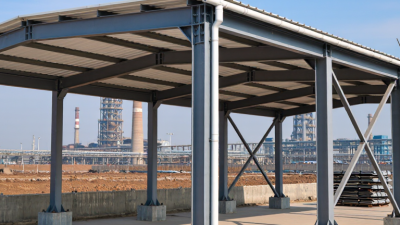
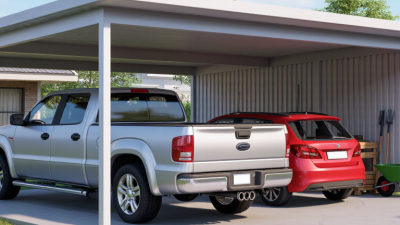
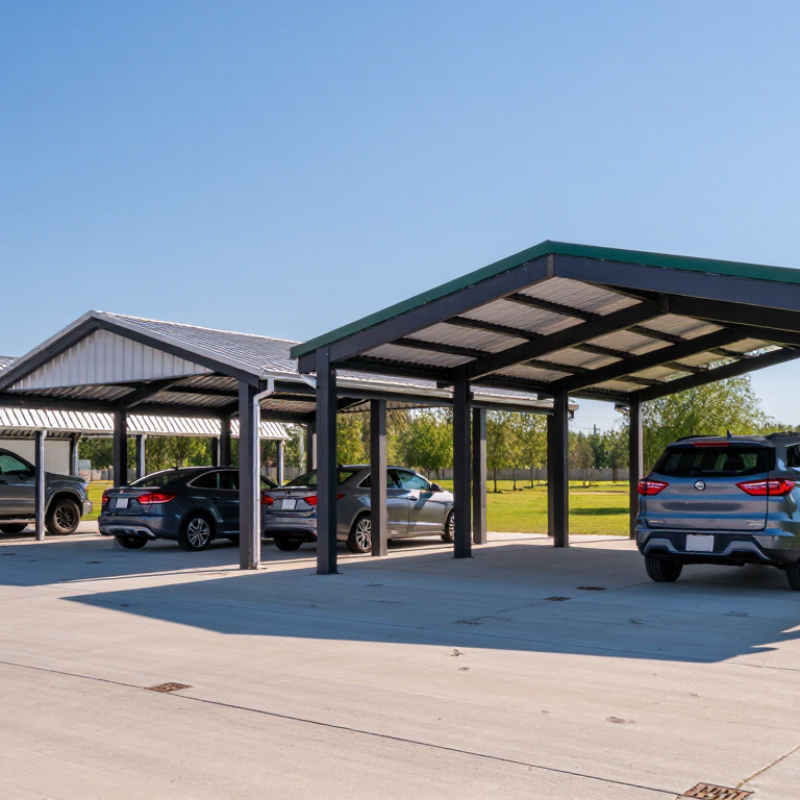
A metal carport is a roofed structure supported by posts, usually with open sides.
It gives cars, vans, boats, or outdoor equipment shelter from sun, rain, and falling debris. Some homeowners also use one as a shaded work area or covered storage space. It is not a garage: windblown rain and dust can still reach what is underneath.
Steel and aluminum are common frame materials, and the roof may use ribbed metal panels. The U.S. Geological Survey’s Mineral Commodity Summaries 2024 estimates that about 58 million metric tons of steel scrap were recycled in the United States in 2023. That figure provides useful material context, but it does not mean every carport is recycled or environmentally preferable. Details matter.
Before choosing a design, consider the site’s wind, snow, drainage, and exposure to moisture or salt. Ask for the frame specifications and verify that the posts can be anchored to your actual surface. One detail is easy to miss. A carport rated for one set of conditions may not suit another location. I would not treat “metal” as shorthand for maintenance-free; inspect fasteners, coating damage, and anchors after severe weather. Even a sturdy roof can disappoint if water collects beside its posts.
Which Size and Layout Fit Your Vehicle and Site?
Measure the vehicle, not just its parking space. Record its length and width with mirrors extended, then check how far the doors swing open. Include roof racks, a cargo box, or a raised tailgate. Allow extra room around the vehicle for walking and loading. Measure twice. The clear space between support posts matters more than the roof’s full width.
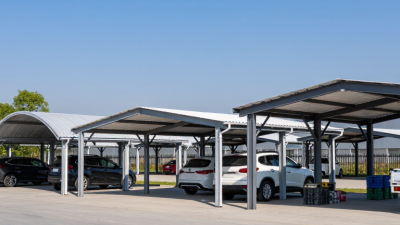
For two vehicles, a side-by-side layout needs enough width for both doors and a central walkway. A tandem layout uses less width but requires moving one vehicle to reach the other. Check turning space at the entrance, especially if the driveway is narrow or has a sharp approach. Taller vehicles need extra clearance beneath beams, not merely beneath the roof peak.
Walk the proposed footprint with a tape measure or mark it with chalk. This simple test can reveal a post blocking a door or a roof edge too close to a fence. Note slopes, drains, trees, and overhead obstacles; water should not collect where you park. Plans are imperfect—soil, access, and delivery needs can change the layout. Verify measurements and site requirements before ordering.
How Do Materials, Coatings, and Roof Designs Compare?
Metal carport choices start with the frame and roof. Galvanized steel is strong and widely used, while aluminum is lighter and resists rust well. Yet thinner sections can flex more under wind or heavy snow. Ask for frame dimensions, metal thickness, and load ratings—not just a “heavy duty” claim. A local installer can assess site exposure, though estimates may vary.
Coatings protect metal from moisture and scratches. Galvanizing adds a zinc layer; painted finishes add color and another barrier. Check whether cut edges and fasteners are protected, since these small areas can corrode first. Corrugated panels shed rain efficiently and are often economical. Standing-seam roofs conceal many fasteners and can reduce leak points, but usually cost more. A steeper pitch moves water and debris faster. Flat-looking roofs need careful drainage.
Tips: Match roof pitch to local rain or snow, and confirm gutters have somewhere to drain. Compare written specifications for coating, panel thickness, wind resistance, and snow capacity. Bring a tape measure to check vehicle clearance. Easy to overlook. Roof racks need room, too. Inspect sample edges if possible; brochures rarely show how a finish ages. No coating is maintenance-free, and that is worth remembering.
Which Structural Features Matter for Local Weather and Safety?
A metal carport that suits a calm, dry region may struggle in a place with heavy snow or gusty winds. Check the design’s stated snow and wind loads, then compare them with local conditions and building requirements. Ask for documentation, not just a salesperson’s estimate. Details matter.
Look closely at the frame, roof, and connections. Thicker steel can help, but strength also depends on the frame shape, bracing, fasteners, and spacing between supports. A pitched roof can shed rain and snow more readily than a flat one, though its performance depends on the full design. In coastal or damp areas, protective coatings and well-sealed cut edges can reduce corrosion. Even a small untreated edge may become a weak spot over time.
Anchoring deserves equal attention. The posts need a suitable foundation, and anchors must match the ground conditions; loose soil and concrete are not interchangeable. Check how water drains around the base, where runoff goes, and whether nearby doors or paths remain clear. I would not assume a heavier frame is automatically safer. Have the specifications reviewed by a qualified local professional, especially if the site faces unusual exposure. A detail is easy to miss.
How Can You Evaluate Chinese Manufacturers and Installation Support?
When comparing Chinese metal carport manufacturers, look beyond quoted prices and attractive renderings. Request a bill of materials, steel grade, coating thickness, connection details, and project-specific load calculations. Ask how these figures change for coastal air, heavy snow, or uneven ground. A capable supplier should explain its assumptions clearly and revise drawings before production. Ask for proof. That matters.
Review the factory’s quality checks and communication process. Request recent project photos, plus inspection records or a live video walkthrough. Confirm who checks welds, dimensions, surface preparation, and packing. Independent testing can add confidence, though a certificate alone cannot guarantee consistent production. One limitation: suppliers may not share every internal record, so agree on specific inspection points in writing. No checklist catches everything.
Installation support deserves equal scrutiny. Ask for numbered drawings, foundation dimensions, anchor-bolt placement, and a clear parts list. Find out whether remote guidance includes a named technician, response hours, and help resolving missing or damaged pieces. Request references from buyers with similar site conditions, and ask how delays were handled. If local installers are involved, send them the drawings before shipment. A glossy manual is not enough; video calls help, but they cannot replace a competent site check.