What Are the Best Metal Carports from China?
Choosing the best metal carports from China starts with the site, intended use, and local weather. A vehicle shelter for a mild region may need different framing from one exposed to heavy snow or strong coastal winds. That distinction matters. Metal carports vary in steel thickness, frame spacing, roof design, coating, and anchoring options. These details shape durability, maintenance needs, and the final installed cost. Photos alone cannot verify them.
Buyers should request drawings, material specifications, load information, and clear descriptions of included hardware. Ask how the steel is protected against rust, what finish is applied, and whether dimensions refer to the frame or roof. Confirm packing, shipping arrangements, replacement-part support, and warranty terms in writing. Where possible, compare samples or independent inspection reports against the supplier’s claims. Do not treat a polished catalog as proof. A reliable supplier explains trade-offs without hiding them. One detail can still be easy to miss: installation quality affects performance as much as the product itself. Before choosing, check that the design fits the actual site and that a qualified installer can follow the supplied instructions. The best option is not always the cheapest or largest. It is the one whose specifications are clear, whose support is reachable, and whose structure suits the conditions it will face. Even then, a few questions may remain. That is worth admitting.
Understanding Metal Carports and Their Main Uses
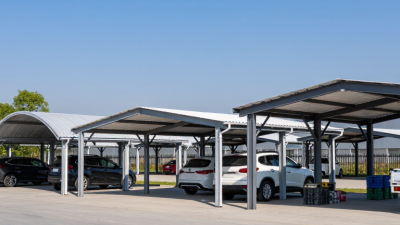
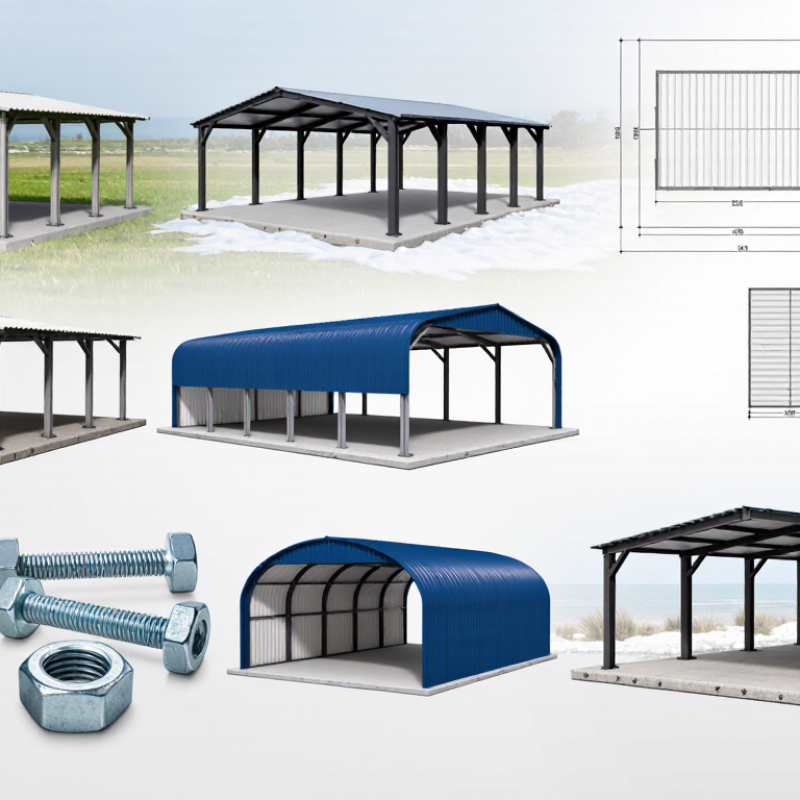
Metal carports are roofed structures designed to shelter vehicles and equipment from sun, rain, and falling debris. Many have open sides, which allow airflow and make access easy. Common frames use steel or aluminum, while roof panels may be metal or another specified material. The right choice depends on climate, intended use, and the structure’s rated capacity.
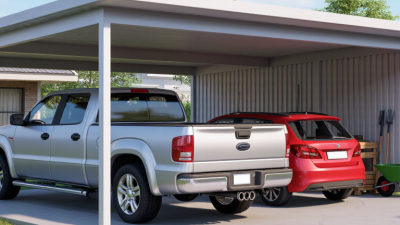
Homeowners often use carports for cars, pickup trucks, recreational vehicles, boats, or garden machinery. A covered area can also serve as a shaded work zone for repairs or seasonal storage. But an open-sided carport is not a locked garage, and it will not keep out wind-driven rain or dust. Check frame dimensions, roof clearance, anchoring details, and published wind and snow-load ratings before choosing a design. Site conditions matter. A detail that looks minor on paper, such as a low roof edge, can become inconvenient with a tall vehicle.
Tips: Measure the tallest vehicle, including roof accessories, and leave room for doors and movement. Ask how the frame is protected against corrosion, especially in damp or coastal settings. Compare the product specifications with your local conditions; ratings do not remove the need for sound installation. It is easy to focus on price. Fit and anchoring deserve equal attention.
Common Designs and Materials Used in Chinese Metal Carports
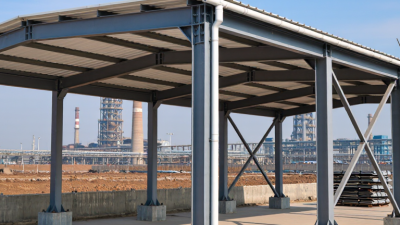
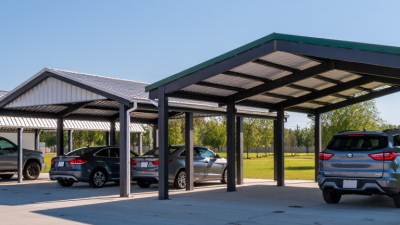
Chinese metal carports commonly use open-sided steel frames with single-slope, gable, or curved roofs. A single slope directs rain to one side and suits narrow driveways. Gable roofs provide more headroom but require additional framing. Curved roofs soften the profile, though repairs may be less straightforward. Details matter. Frames are often galvanized steel, while roof sheets may be zinc-coated or pre-painted steel. Aluminum is another option for lighter-duty structures, but long spans need careful engineering to limit flex.
Compare coating specifications, member dimensions, connections, and site loads—not appearance alone. World Steel Association’s World Steel in Figures 2025 reports that China produced 1,005.1 million tonnes of crude steel in 2024, about 53% of global output. That scale supports a broad supply base, but it does not certify any individual carport. Request drawings that show column spacing, roof pitch, drainage direction, and design wind and snow loads. “Galvanized” alone says too little without a coating specification. A glossy roof can still dent under hail, and slender posts may sway. Not always obvious. Quality varies by fabricator, so comparing quotations line by line takes patience.
Common Structural Materials in Chinese Metal Carports
Typical material densities, shown for comparison. Actual alloys and specifications vary by product.
In brief: Galvanized steel is widely used for carport frames, while aluminum is a lighter alternative. Density alone does not determine suitability; design, span, loads, corrosion protection, and installation also matter. Common roof designs include regular, boxed-eave, and vertical styles.
Key Factors for Evaluating Carport Quality and Durability
What Are the Best Metal Carports from China?
Key Factors for Evaluating Carport Quality and Durability
A durable carport starts with a structure engineered for its site, not just a thick-looking frame. Check the steel grade, member dimensions, connection details, and documented design loads. ASCE/SEI 7-22 sets out methods for determining wind and snow loads; ask for calculations matched to the installation location. A broad roof can catch strong gusts. Anchors and foundations matter as much as the frame.
Coating deserves close attention. The American Galvanizers Association’s published service-life guidance indicates that an 85-micrometer hot-dip galvanized coating can protect steel for decades, and potentially over a century in mild rural conditions. Coastal salt, industrial pollution, and scratches can reduce that service life. Ask for coating thickness records and inspect cut edges, welds, and drainage points. Small omissions matter.
Tips: Request a drawing, steel specifications, coating details, and site-specific load documentation. Check that water cannot collect around the base plates. Compare the stated warranty with its exclusions; a long warranty can still leave key corrosion areas uncovered.
Fit and maintenance affect longevity, too. Confirm roof-panel overlap, fastener type, and whether dissimilar metals touch. Look for sealed joints and smooth edges, not sharp burrs or bare welds. I would not judge quality from paint gloss alone; it hides little about structural capacity. Ask how replacement panels and fasteners are identified before ordering.
What Are the Best Metal Carports from China? - Key Factors for Evaluating Carport Quality and Durability
| Evaluation factor | What to verify | Good evidence or benchmark | Why it matters |
|---|---|---|---|
| Site-specific structural design | Design wind, snow, seismic, and other applicable loads; building dimensions; anchoring details; and the governing local code. | Project-specific drawings and structural calculations reviewed against the requirements of the installation location. There is no single suitable wind or snow rating for every site. | A structure designed for one climate or span may not be safe in another. Loads and code requirements vary by location. |
| Steel grade and member dimensions | Steel grade, section shape, member dimensions, and specified base-metal thickness for each structural component. | A component schedule, material certificates, and drawings that state measurable specifications. Compare the delivered parts with the approved documents. | Strength depends on the steel and the member’s geometry and thickness; a general statement such as “heavy-duty steel” is not a measurable specification. |
| Corrosion protection | Coating type, specified coating mass or thickness, coverage of edges and cut areas, and suitability for the site’s exposure. | A written coating specification and inspection records. For hot-dip galvanized products, check whether ISO 1461 or another applicable coating standard is specified; requirements depend on the product and substrate. | Moisture, salts, industrial pollutants, and damaged coatings can accelerate corrosion. Coating suitability depends on exposure and maintenance. |
| Connections and fasteners | Connection design, bolt grade and coating, hole alignment, weld details where applicable, and compatibility between dissimilar metals. | Assembly drawings, fastener specifications, and documented inspection criteria. Confirm that supplied hardware matches the design. | Connections transfer structural loads; unsuitable hardware or poor fit can compromise stability and make installation difficult. |
| Roof panels and water management | Panel material and thickness, roof pitch, overlap details, fastener placement, and provision for drainage. | Panel specifications and installation instructions that identify the required overlaps, sealing method, and drainage arrangement for the selected system. | Correct detailing helps limit water entry and standing water, both of which can contribute to damage and corrosion. |
| Anchoring and foundation interface | Base plates, anchor type and layout, required embedment, foundation assumptions, and responsibility for site-specific foundation design. | A foundation and anchoring plan coordinated with the structural design and local ground conditions; installation requirements should be documented. | A sound frame still depends on secure anchorage and a foundation suitable for the loads and soil conditions. |
| Manufacturing and quality control | Dimensional checks, coating inspection, weld inspection where relevant, part identification, and packaging controls. | Documented inspection records tied to the order, with clear acceptance criteria and traceable component specifications. | Consistent inspection helps identify defects and mismatched parts before shipment or installation. |
| Installation documentation and after-sales support | Clear assembly instructions, parts list, maintenance guidance, warranty terms, and replacement-part process. | Written documents that specify coverage, exclusions, maintenance obligations, and how to obtain compatible replacement parts. | Correct assembly and timely maintenance affect service life; written terms make responsibilities easier to assess. |
Evaluation note: Compare carports using project-specific drawings, measurable material and coating specifications, and applicable local building requirements. The factors above are a general checklist, not a substitute for engineering review.
How to Compare Chinese Metal Carport Manufacturers
What Are the Best Metal Carports from China?
How to Compare Chinese Metal Carport Manufacturers
Compare manufacturers by verifiable engineering, not by the lowest price or the thickest-looking frame. Request drawings that specify steel grade, member dimensions, coating system, fasteners, and connection details. Then check whether the proposed design accounts for your site’s wind, snow, soil, and intended use. Ask for load calculations and confirm who reviews them for local conditions. Details matter. A sturdy-looking post can still fail at its base plate or anchor.
Ask for mill certificates, coating test records, production inspection procedures, and photos of welds and finished components. Worldsteel’s World Steel in Figures 2024 reports 1,892.4 million tonnes of crude steel production worldwide in 2023; that scale makes batch traceability more useful than broad claims about origin. UNEP’s 2024 Global Status Report for Buildings and Construction says the sector accounts for 32% of global energy use and 34% of CO₂ emissions. Those figures cover buildings broadly, not carports, but they support asking about service life, repairability, and material documentation. Ask for proof. Compare warranty exclusions, replacement-part availability, packaging protection, and delivery terms line by line. One point is easy to overlook: a detailed specification still cannot replace an independent review of site-specific loads.
Choosing the Right Metal Carport for Your Site and Needs
Choosing a metal carport starts with the site, not the catalogue. Measure the vehicle, including mirrors, roof racks, and room to open doors. Then check the available width and height against gates, branches, and nearby structures. On sloped ground, note where rainwater flows before deciding where the posts should sit. Watch the wind. An exposed driveway may need a different frame and anchoring plan than a sheltered yard. Nearby trees also matter: falling branches can damage roofing, while leaves may collect in gutters.
Match the structure to local weather and everyday use. Ask for documented design loads suited to the site’s wind and snow conditions, and have a qualified professional review the foundation and anchoring requirements. For coastal or damp locations, compare protective coatings and ask how cut edges and fasteners resist corrosion. Consider roof clearance for taller vehicles, plus enough space to maneuver without scraping posts. A wider span can feel more convenient, but it may require stronger framing; the cheapest layout is not always the best fit. I have seen this overlooked. Even careful measurements can miss how a vehicle turns into the space, so mark the footprint on the ground and test the approach before ordering.